Tag Archives: canon

Canon Decampment: Ike Jarlego Jr.

[Click here (recommended) for desktop mode.]

Tigasin

English Translation: Masculine
Year of Release: 1999
Director: Ike Jarlego Jr.
Screenwriter: Mel Mendoza-del Rosario
Producer: Star Cinema

Cast: Eddie Garcia, Victor Neri, Alma Concepcion, Alvin Anson, Peque Gallaga, Lito Legaspi, Manjo del Mundo, Rez Cortez, Jean Saburit, Amy Perez, Roldan Aquino, Archi Adamos, Gino Paul Guzman, Augusto Victa, Dexter Doria, Ester Chavez, Ogie Diaz, Idda Yaneza, Gandong Cervantes, Robert Talby, Ed Aquino, Archie Ventosa, Nikka Ruiz, Janet Diaz, Gloria Garcia, Joseph dela Paz, Janice Manuba, Eric Jimenez, Kevin Cabaluna, Dianne Sandico, Apolinario Reyes, Jenny de Guzman, Danny Celis, Reggie Sison, Tom Olivar, Polly Cadsawan, Ding Mendoza, Banjo Romero, Diego Salvador, Joe Jardi, Kim Laurel, Joe Lpid, Nemie Samson, Alberto Wahing, Freddie Elasigue, Jay Bermundo, Nonoy de Guzman, Jake Madrigal, Mon Confiado

Greg Marcial looks forward to a well-earned leave of absence after busting a crime ring, but his superior requests one last mission from him. Several elderly men have been suffering cardiac arrest while engaging in sexual intercourse, but in order to conduct an investigation, Marcial has to pick out a new partner for field work. Police trainers discourage him from selecting Ramon Ignacio, whom they find insufferably arrogant; Marcial though appreciates his sharpshooting skills and straight talk, and Ignacio proves crackerjack enough in helping him track the victims’ cause of death to a locally manufactured synthetic version of Viagra. They arrest promo salesladies who push the product along with skin cream, and subdue resistant van operators. But as they celebrate their mission accomplished, their superior arrives to inform them that more deaths have occurred. They ascertain that the victims pick up their escorts at a riverside restaurant that specializes in aphrodisiac preparations, run by a high-living proprietress named Jessica, who endangers their operation when Ignacio finds himself falling for her.

Ike Jarlego Jr. might have had a short directorial career, but he’d actually grown up in the film business. Since his father Enrique was the preferred editor of First Golden Age master Gregorio Fernandez, he literally first showed up as a child actor before following his father’s footsteps and proving himself worthy of the family profession. Ironically, his early filmmaking attempts—specifically Andres Manambit: Angkan ng Matatapang (Clan of the Brave, 1992) and Nena (1995)[1]—were greeted with acclaim that they had difficulty sustaining. His decades-long stint as editor though provided him with a healthier orientation than formal film training would have inculcated. Tigasin would be proof of value in any commercial filmmaker’s oeuvre, if not for the unfairly high expectations that industry observers imposed on Jarlego. He had enough good sense to infer that Eddie Garcia’s late-career focus on action material could benefit from the actor’s sex-comedy chops (a colloquial translation of the title would be “priapic,” which needs no further elaboration), and relies on newcomers to deliver crucial support; Victor Neri supplies the right measure of interactive chemistry, although the rarity of successful May­–December buddy-cop films even in overseas cinema proves how distinctive the achievement is. Alert to the homoerotic implications, Jarlego stages a love-motel investigative foray where the partners masquerade as a queer couple, with Garcia reviving his tacky-queen persona, still scandalously effective after all this time.

Note

[1] I had been a founding member of Kritika, the organization that selected Andres Manambit, which also won top prize at the yearend Metro Manila Film Festival. Nena later won the Young Critics Circle’s best-film award—though I was also a founding member of the group, I’d already started US graduate studies by then. I am grateful to police officer Juan Miguel B. Manansala for clarifying some dynamics in Philippine National Police operations.

Back to top
Return to Canon Decampment contents
Go to alphabetized filmmakers list

Á!


Canon Decampment: Artemio Marquez

[Click here (recommended) for desktop mode.]

The Untold Story of Melanie Marquez

Year of Release: 1987
Director: Artemio Marquez
Screenwriter: Ricky Lee
From a story by Melanie Marquez
Producer: Miracle Boy Films International

Cast: Melanie Marquez, Caridad Sanchez, Tony Santos Sr., Rosemarie Gil, Totoy Marquez, Rene Salud, Maya dela Cuesta, Renee Salud, Lawrence Pineda, Romy Diaz, Tony Bernal, Karla Kalua, Desiree Verdadero, Sonny Pinga, Odette Khan, Virginia Angeles, Ma. Cecilia Magmayo, Julie Ann Cortez, Daryl Tupaz, Mark “John” Marquez, Cherry Ong, Rodolfo Manlangit, Ricardo de los Remedios, Ma. Luisa Laurel MacCutcheon

While enduring persecution at a young age from her wealthier and fairer classmates, Melanie helps out her mother by working as a domestic helper at a bordello, where the women admire her height and beauty. Exasperated by her mother’s rage over their economic difficulties, she follows her mother’s suggestion to seek assistance from her estranged father Artemio, who has attained some success as a movie director in faraway Manila. Artemio’s mistress resents the appearance of her partner’s legitimate child and banishes Melanie from their home and office. She tells her mother about the other woman badmouthing them, upon which the mother confronts the mistress. Melanie decides to train on her own as a model, and attracts the attention of fashion designer Renee Salud, who grooms her for local and eventually global beauty contests. Melanie fulfills her dream of winning the Miss International crown, but she also realizes that heartaches will remain an essential part of her life, regardless of whatever station she attains.

No better proof of how well the Philippine film industry used to thrive lies in such a sample as this. Artemio Marquez was virtually an ancient relic by this time, having lived and worked through two Golden Ages of productivity, his primary distinction lying in how his production house made a breakout star out of Nora Aunor via a series of musical quickies. When his daughter Melanie became the second globally renowned figure that he was associated with, his film-mogul acuity kicked in and, doubtlessly inspired by Aunor’s transformation into the country’s major performer, impelled him to create the kind of personal project that only an openly eccentric yet highly professional showbiz longtimer could pull off. Melanie Marquez, who was also just as invested in the undertaking, affirms her seriousness by allowing herself to be slapped multiple times, sometimes in slow motion, by every major character who happens along.[1] Despite The Untold Story of Melanie Marquez’s otherwise dismissible premise and handling, the film presents a useful record of Melanie’s catwalk prowess. Even more significantly, it prevails as a rare contemporary incarnation of authentic camp, according to the paradigm stipulated by Susan Sontag in her 1964 article “Notes on ‘Camp’”: inadvertent in affect, premised on artifice, funny despite its serious intent, open to multiple readings by insiders, utterly embraceable given the proper perspective and preparation, with Melanie’s undeniably androgynous appeal overlooking the proceedings.

Back to top
Return to Canon Decampment contents
Go to alphabetized filmmakers list

Sa Puso Ko Hahalik ang Mundo

English Translation: The World Will Kiss My Heart
Year of Release: 1988
Director & Screenwriter: Artemio Marquez
Producer: Regal Films

Cast: Snooky Serna, Gabby Concepcion, Pops Fernandez, Martin Nievera, Lotlot de Leon, Ramon Christopher, Caridad Sanchez, Daria Ramirez, Rez Cortez, Tita Muñoz, Subas Herrero, Lucita Soriano, Ester Chavez, Mario Escudero, Charlon Davao, Judy Anne Santos, Jane Zaleta, Ryan Fortich, Luis Benedicto, Egay Gonzalez, Jay Cuyuca, Nemits Rivero, Ceso Yusi, Brigham Manalastas, Ernesto delos Reyes, Ric Mercado, Chito Ilagan, Butch Miraflor, Mark Lopez, Mercie de Vera, Marlene Vegasca

Growing up in rural poverty, Aurora and Amalia have to cope with the sudden death of their mother by agreeing to having their sister Claudia adopted by a wealthy couple, who rename the child Betty and bring her with them to the US. When they grow up, only Aurora remembers the separation; she permits her boyfriend Benjie to seek his fortune in Manila but fails to hear from him after a while. This is because the owner of the nightclub where he works, a wealthy widow, entraps him so she can possess him as her new hubby. Short of cash for continuing her studies in the city, Amalia decides to find work as well. Albert is smitten by her and gets her hired at the same workplace where Benjie landed, since the owner (now Benjie’s wife) happens to be his elder sister. Betty visits the Philippines with her husband Renato, a struggling musician, so they can stage a concert where Betty will be singing Renato’s compositions. Aurora, who’s searching for Benjie, is distracted while walking and gets hit by Renato’s car. The guilt-ridden Renato takes his victim to his home so she can recover and gives her a job as domestic helper, but Betty resents her presence and keeps quarreling with her husband and still-unrecognized sister.

The triumph of The Untold Story of Melanie Marquez signaled that Artemio Marquez still had some squall in his sails at an age when most people would be enjoying their retirement. Regal Films’ Lily Monteverde, an even more voracious talent-hunter than he’d ever been, contracted him and made sure to corner all the crowd-pleasing material that his impressively extended film practice enabled him to churn out. For better or worse, Marquez embodied the quintessence of the Pinoy filmmaker-as-journeyperson. The lore that he’d managed to store up, however, held him in good stead, and could best be sampled in his first project for Regal. Sa Puso Ko Hahalik ang Mundo had none of the personal signature (such as it is) that he’d endowed in his daughter’s luridly luminous biofilm, and it bore the stamp of “Mother” Lily’s insistence on casting young real-life celebrity couplings that generated audience titillation all their own. But it also had all the hallmarks of his most financially successful period as owner of Tower Productions, where the types of aspirants that the First Golden Age studios resisted for not being Euro-pretty enough were launched so stratospherically that the more old-school movie stars could only survive by retreating into hard-core sex-film projects. Nearly all of those teen-idol and bomba films are lamentably lost, but in SPKHM we can still see how Temyong Marquez’s wholesome-youngster formulas could weave their spell on enthralled movie fans: fateful coincidences, dramatic outbursts, pregnant secrets, a yearning for connection—so drenched in openly manipulative music-infused schmaltz that the final-act benevolent intervention of an affluent matron can be welcomed only in so far as it could help draw the proceedings to a close.

Note

[1] The other Artemio Marquez stamp would be a breakdown scene where the (usually female) character would hysterically sweep away all the contents atop a table. In Melanie Marquez’s next project with her father, the Regal Films production Nasaan Ka Inay? (Where Are You, Mother?, 1988), she apologizes to the partner of a sister she had wronged by literally wallowing in and gobbling down mud—the closest we have ever gotten to subconsciously approximating Divine in John Waters’s Pink Flamingos (1972), although Melanie might have to be grateful that apparently neither she nor her father witnessed what Divine actually scarfed down. A detailed recollection-cum-appreciation of this moment (in Filipino) was provided by Jerrick Josue David in his Linyang Pinoy, Hugot Pinoy feature on Facebook. For Susan Sontag’s “Notes on ‘Camp’” book source, see her anthology Against Interpretation (Farrar, Strauss & Giroux, 1966).

Back to top
Return to Canon Decampment contents
Go to alphabetized filmmakers list

Á!


Canon Decampment: Fernando Poe Jr. & Augusto Salvador

[Click here (recommended) for desktop mode.]

Eseng ng Tondo

English Translation: Eseng of Tondo
Year of Release: 1997
Directors: Fernando Poe Jr. [as Ronwaldo Reyes] & Augusto Salvador
Screenwriters: Pablo S. Gomez & Manny Buising
“Inspired by a true story” [opening credit title]
Producer: FPJ Productions

Cast: Fernando Poe Jr., Ina Raymundo, Jenny Syquia, Chuck Perez, Mandy Ochoa, Anita Linda, Zandro Zamora, Johnny Vicar, Bob Soler, Marita Zobel, Bing Davao, Eddie Arenas, Jose Romulo, Gerald Ejercito, Bong Francisco, Rudy Meyer, Tony Bernal, Tony Carreon, Nanding Fernandez, Robert Rivera, Bernard Atienza, Romy Diaz, Jimmy Reyes, Joey Padilla, Nonoy de Guzman, Robert Talby, Art Veloso, Lily Rose, Boy Sta. Maria, Steve Alcarado, Joone Ranillo, Dante Castro, Bert Vivar, Chanel Fernandez, Jaera Gomez, Joan Salazar, Paul Vivo, Ding Alvaro, Shiela Sanchez, Boy Diaz, Orlando Miguel, Zernan Manahan, Bon Vibar, Vic Varrion, Ernie David, Leo Gamboa, Richard Duran

Lt. Eusebio Natividad, nicknamed Eseng, is an officer in the police detachment of Manila’s Tondo district, known for its slum community and gangland activities. His brother Belo keeps attempting to take advantage of his good name by running gambling rackets, wearing down Eseng’s patience until he decides to arrest Belo himself. His wife Digna worries over Eseng’s late work hours—not only because of the dangers he faces but also because of the many temptations that come his way at night. Unknown to her, the school where she teaches is preyed on by the spoiled scion of Villafranca, a rich and influential crime boss; along with his friends, he entices a student of Digna to pose for model photos so they can gang-rape her. Eseng tracks them to a bar, where he makes the acquaintance of Elvie. He foils the latter’s fencing of stolen goods but winds up accepting her as his mistress. After Eseng raids Villafranca’s headquarters, the latter hires an assassin to get rid of him. The gang members then target Digna herself and succeed in abducting her, forcing Eseng to step up his investigation.

As the country’s top action-film star, Fernando Poe Jr. consolidated his status by relying on several impositions and performative quirks, to the point where his persona became an object of satire.[1] One could sense him trying to break free every so often—allowing news of the death of his character to overwhelm his family in Eddie Romero’s Aguila (1980), or opening another movie with his character’s actual death but enabling his twin brother to avenge him in the self-directed Ang Probinsyano (The Provincial Man, 1996, unsurprisingly spun off into the most successful series in local TV). With Eseng ng Tondo, he relinquished total control over his directorial function and toyed with narrative material that treated the flourishes beloved by his fans as throwaway or comic moments, even tacking on an open ending for good measure. The resultant product is as rewarding as any that can be reasonably expected from the major male auteur that Philippine cinema had endowed us with. Around this time, young turks were upping the ante as local action cinema’s final shot at significance, rendering the typical FPJ film as too stately paced to match. Yet Eseng ng Tondo manages to hold its own, partly because its relatively dignified approach complements its elderly performer, and also because its conscientious exploration of Tondo’s much-exploited territory, enhanced by the absence of FPJ’s usual aspirational tendency, confers on its denizens a stature and vibrance equal to the star of the picture. As if to confirm that its intentions are indeed forward-looking, it sets its climax in a distinctly working-class event, a so-called byucon (open-air beauty contest) that ends with cat-fighting participants, with Tondo imprinting itself by ensuring that the organizers and contestants comprise cross-dressers. [Tech note: Make sure to source an integral copy rather than the official distributor’s anomalously censored version.]

Note

[1] The standard imposition in any Fernando Poe Jr. movie is that the hero he plays should never be permitted to die, supposedly occasioned by Muslim fans rioting in theaters over the ending of Celso Ad. Castillo’s historical drama Asedillo (1971), as recounted by Nick Joaquin a.k.a. Quijano de Manila in Ronnie Poe & Other Silhouettes (National Book Store, 1977). His gender-progressivity is also generally acknowledged, although (as far as I know) never cited anywhere beyond a master’s thesis at the national university. The histrionic devices associated with his persona include: the exhalation in the delivery of final words to signify intense emotion—an affectation eventually adopted by his friendly rival Joseph Estrada; the slightly stooping stance (enhanced by signature low-waist denim jeans) to signal a more relaxed pose, in contrast with his enemies’ tensed-up posture; the quick-drawing of handguns with supreme sharpshooting skills, to ensure he always wins during showdowns; and the impressively swift delivery of abdominal punches (termed bara-bara) guaranteed to overpower any overconfident bully.

Back to top
Return to Canon Decampment contents
Go to alphabetized filmmakers list

Á!

Canon Decampment: Francis Posadas

[Click here (recommended) for desktop mode.]

Amanos: Patas ang Laban

English Translation: Balanced: The Fight Is Fair
Year of Release: 1997
Director: Francis Posadas [as Francis “Jun” Posadas]
Screenwriters: Henry Nadong, Francis Posadas, Sonny Saret Abelardo
Producer: Star Cinema

Cast: Jestoni Alarcon, Victor Neri, Regine Tolentino, Sherilyn Reyes, Robert Arevalo, Mark Gil, Subas Herrero, Bayani Agbayani, Marita Zobel, Patrick dela Rosa, Edgar Mande, Maureen Mauricio, Joanne Salazar, Vic Belaro, Faustino Ferrer, Mar Sacdalan, Noel Sandoval, Alwyn Uytingco, Steven Alonso, Victor Alberto, Mel Kimura, Joseph Olfindo, Gay Ace Domingo, Ronnie Corpuz, Jesse Bangot, CJ Tolentino, Gerry Gersabal, Ben Romano, Girlie Alcantara, Vic Santos, Susan Corpuz, Fortunato Martin

Celso Aragon’s overseas-placement firm has been so corrupt that two individuals, unknown to each other up to this point, case his office and attempt to exact the revenge they planned. Lando, who introduces himself, tries to collect the money his family lost when they mortgaged their house and failed to see him work abroad. A still-unidentified Bobby shows up presently, toting a firearm, and demands that his girlfriend, sent to and now missing in Japan, be returned by the firm. He kidnaps Aragon’s daughter to defend himself from armed bodyguards, but in the ensuing melee, Lando manages to steal a briefcase full of money before fleeing with Bobby and Angela. After he is identified in news reports, Lando finds himself rejected by his family and secretly stashes the briefcase in his younger brother’s clothes bin. Ambassador Villaverde, who maintains a reputation as champion of overseas contract workers, informs Aragon that a blue-covered notebook containing the contact information of all their illegal-recruitment connivers was hidden in the briefcase Lando stole. Villaverde appears on media to appeal to the two fugitives but secretly instructs his henchmen to kill off the criminals as well as their hostage once the incriminating document has been recovered.

A genuinely left-field delight that makes genre patronage worth the trouble (inclusive of an acquaintanceship with exceptional left-field specialist Epoy Deyto), Amanos commences by unravelling its moderately convoluted premise, then goes whole-hog in piling on as many twists and revelations as it can prop up while maintaining, as befits its title, a balance among suspense, comedy, and melodrama. What it gradually reveals, however, is key to its effectiveness as a mass-audience product: the social horror visited on our most vulnerable citizens by grand-scale political corruption. Francis Posadas may be an old hand in commercial production, even developing a parallel specialization in skin flicks, but sustained a personal survival strategy by insistently jettisoning old-school “significance”—perhaps wisely realizing that the subjects his films tackle carry their own weight to begin with. Amanos affirms his wisdom of leaning into genre tropes and strategies as a way of enhancing, rather than evading, social commentary. The heartbroken-because-principled mother, the conflicted but eventually won-over rich girl, the clownish reporter who knowingly regards truth-telling as the best kind of opportunity for media visibility, the prestige performers cast as heavies—these and more feed into a feel-good fantasy of proletarian virtue winning over bourgeois evil, a rare occasion for our beleaguered mass audience to draw a package of rewards, if only in fiction, promised them by popular culture.

Back to top
Return to Canon Decampment contents
Go to alphabetized filmmakers list

’Di Puwedeng Hindi Puwede!

English Translation: It’s Impossible Not To!
Year of Release: 1999
Director: Francis Posadas [as Francis “Jun” Posadas]
Screenwriters: Ricky Lee & Mel Mendoza-del Rosario
From a story by Ricky Lee & Enrico C. Santos
Producers: FLT Films International & Star Cinema

Cast: Robin Padilla, Vina Morales, Bayani Agbayani, Dante Rivero, Bembol Roco, Kier Legaspi, Ramil Rodriguez, Daisy Reyes, Roy Rodrigo, Mark Vernal, Tom Olivar, July Hidalgo, June Hidalgo, Clayton Olalia, Tony Tacorda, Bobby Henson, Boy Gomez

Carding avoids the petty criminality from which he used to earn a living, by running his own ridesharing service. Upon bringing a customer to a bank, however, a robbery in progress spills out where the hoodlums have taken a pretty female hostage. Carding’s chivalry gets the better of him and his fighting skills save the day. He visits the orphanage where he grew up to renew his commitment to give back what he can. Unknown to him, the hostage, Kristine, was in cahoots with the robbers, motivated by a desire to get back at her father, who makes a killing by running a counterfeit operation. Impressed by Carding’s skills, she conscripts him to join her co-conspirators, which leads to some tension since their leader also fancies Kristine for himself. Her father also answers to Mendez, a big-time underworld figure who runs a few other rackets, the worst of which is a child-trafficking ring.

Like Fernando Poe Jr. only in a more extreme manner, boyish-looking Robin Padilla made a strong first impression with the movie-going public by presenting an entire gamut of tics and intense, constipated-sounding line readings—qualities that enabled him to combine action with comedy, and that also possibly exposed how dated FPJ’s own mannerisms were. But while the elderly icon was serious enough about subsequently ridding or self-satirizing as much of his histrionic baggage as he could get away with, Padilla persisted in playing out in real life his “bad boy” persona and, after stints in jail culminating in Islamic conversion, hitched his star to Rodrigo D. Duterte’s similarly initially successful presidential stint, even after RDD’s right-wing policies proved tragically disastrous because of his and his lieutenants’ mishandling of a police force seriously corrupted by decades of recompensatory negligence. Not that FPJ’s political fortunes were any better: his failed presidential run, owing to alleged manipulation of the tabulation of votes, was regarded as the cause of the coronary thrombosis that ended his life. Padilla sought critical validation in a few “indie” film projects, but his defining work remained in the action comedies that he completed during his peak as a box-office attraction. ’Di Puwedeng Hindi Puwede! benefits from a more careful structuring of plot elements than the usual slapdash material he could always coast on because of the profitability of his skills set. He was paired with supporting performers who also assisted in relieving him of sustaining his usual delivery, which was admittedly starting to wear thin by this time from overexposure: a comic actor, Bayani Agbayani, and Padilla’s then-paramour Vina Morales to provide romantic interest, with a bit of gender confusion between BFF and GF that only Padilla could pull off. The shortfall in Padilla’s trajectory relied on how he, and several lesser talents, thought that his next career stage lay in elective office, as if exemplary entertainment were a lesser form of public service. The loss is as much his as it is Philippine cinema’s.

Back to top
Return to Canon Decampment contents
Go to alphabetized filmmakers list

Á!


Canon Decampment: Augusto Salvador

[Click here (recommended) for desktop mode.]

Masahol Pa sa Hayop

English Translation: Worse than an Animal
Additional Languages: Ilocano, English
Year of Release: 1993
Director: Augusto Salvador
Screenwriter: Humilde “Meek” Roxas
Producer: Four N Films

Cast: Phillip Salvador, Jun Aristorenas, Efren Reyes Jr., Jessica Rodriguez, Atoy Co, Willie Revillame, Jessie Delgado, Philip Gamboa, Dencio Padilla, Conrad Poe, Ruel Vernal, King Gutierrez, Agot Isidro, Bob Soler, Benedict Aquino, Terence Baylon, Noel Nuqui, Bernard Fabiosa, Mike Magat, Johnny Vicar, Ernie Forte, Ernie Zarate, Turko Cervantes, Lito Castillo, Polly Cadsawan, Vic Belaro, Allan Garcia, Leon Cuevo, Robert Perez, Roger Moring, Eddie Mañalac, Jerome Advincula, Teddy Magera, Allan Reyes, Leo Adalem, Nanding Fernandez, Bebeng Amora, Nestor Balla, Lee Andres, Gamaliel Viray, Tony Tacorda, Tony Angeles, Edmund Cupcupin, Sabrina M., Jimmy Santos, Augusto Victa

After neutralizing a rogue rebel group motivated by profit and spite, Capt. Tomas Padilla is ordered by Brig. Gen. Montalban to save a provincial governor from men who allegedly took him hostage. As it turns out, Montalban was out to avenge the death of his son, who was illegally transporting contraband and defied the governor’s order to give up. Since Montalban marked Padilla and his team as expendable, they fight back and take refuge in an Aeta community, whom they free from marauding soldiers. Padilla realizes that Montalban gained an advantage by abducting his wife and son, and asks assistance from the tribespeople who’d promised to help him.

Masahol Pa sa Hayop is a peculiar creature, although its lineage can be tracked to the trend in local action films that heroicized military personnel after the successful participation of the Armed Forces of the Philippines in the antidictatorship uprising of February 1986. Unlike the initial batch, however, MPH does not rely on the narrative of a well-known official; nor does it partake of the self-conscious seriousness of these presentations. Those with time to spare might be able to find previous collaborations between the similarly surnamed (though apparently unrelated) director and actor—a dozen titles, though nearly thrice that if we include Augusto Salvador’s credits as film editor. MPH is preceded by a few attempts that toy with a liberal slant, with an outright left-sympathetic treatment in Lucio Margallo (1992), the pair’s previous collaboration. The current work positions itself relatively safely within a critique of abusive higher-ups and makes adequate use of a device once better deployed in a Lito Lapid film, Celso Ad. Castillo’s now-lost Pedro Tunasan (1983), where the hero finds refuge as well as assistance from the same indigenous group. The conventional though still-laudable anticorruption line is enhanced (or compromised, depending on one’s preference) by the stunts and fireworks enabled by a moderately budgeted outing, although those who might want to take a harsher view will be able to temper their response by considering how MPH ties in with a trend in global cinema, of similarly highly commercial outings that exemplify a measure of social consciousness or even sometimes outright socialist ideologizing. Several action figures, starting with Jun Aristorenas, are fortunate to have some of their best performances on record here; but the jewel in the movie’s crown is the figure of Phillip Salvador, thriving in genre projects after the death of his mentor Lino Brocka, gifting late celluloid-era pictures with the most highly skilled action-star performances on our side of the planet. He may have aged less gracefully than he should have, but with so few blessings in the mode of practice that he opted for, we can still marvel at how far he was able to take the brand of responsible film imaging that he became known for.

Back to top
Return to Canon Decampment contents
Go to alphabetized filmmakers list

Á!


Canon Decampment: Mark Meily

[Click here (recommended) for desktop mode.]

Crying Ladies

Year of Release: 2003
Director & Screenwriter: Mark Meily
Producer: Unitel Pictures

Cast: Sharon Cuneta, Hilda Koronel, Angel Aquino, Eric Quizon, Ricky Davao, Julio Pacheco, Shamaine Buencamino, Sherry Lara, Gilleth Sandico, Joan Bitagcol, Johnny Delgado, Edgar Mortiz, Raymond Bagatsing, Bella Flores, Lou Veloso, Jemalene Estrada, Randolf Stamatelaky, Winnie Cordero, Bearwin Meily, Ronaldo Bertubin, Andoy Ranay, Ermie Concepcion, Ruby Ruiz, Melvin Lee, Jojit Lorenzo, Jorg Schifferer, Ike Veneracion, Dante Nora, Mae Paner, Mark Meily

Fresh out of the women’s correctional where she was imprisoned for financial fraud, Stella Mate [ma-teh] attempts to find a stable source of income, but only foreign-recruitment agencies offer anything sufficiently feasible for her. Her separated husband informs her that he and his new wife plan to move to Mindanao and bring her child with them, since her jail record makes her an unfit parent. Through the small Chinatown workshop where she works part-time, she’s able to wangle a short-term designation as a funeral mourner for a traditional Chinese family, who believe that the presence of weeping guests will facilitate the journey to heaven of the dead person’s soul. Since she has to be part of a trio, Stella recruits two of her friends: Rhoda, a former movie extra insisting on being recognized for the bit roles she played when she was younger; and Choleng, a charity worker torn with guilt for conducting an affair with a married man. When they arrive at the funeral parlor, Stella realizes that the man in the coffin was the same person she had swindled and whose police complaint led to her stint in prison.

One of the crucial departures between Sharon Cuneta’s observance of the trajectory of Philippine superstar Nora Aunor was in her late turn to independent projects—but at nearly the point when she semi-retired from showbiz work. Crying Ladies, in fact, still bears some resemblance to the mainstream projects that Aunor would have worked on during her Second Golden Age heyday. Its primary point of departure is in its endeavor to accommodate racialized Asian Others in Philippine society, with an attempt to equalize relations by making the Chinese and Indian characters entrepreneurial entities who exercise benign influence over the lead character. The Chinese side gets a better airing because the family involved has a more intensive interaction with the title-character team, although the patriarch has died by the time the plot begins. The entire presentation does not really advance beyond depicting the pathos of the working-class woman who finds it near-impossible to rise above her station—one of the tiresome legacies of social realism compounded by the ideological impositions of Western standards of acceptability for films originating in postcolonial sources. It would be possible to argue that Cuneta’d already done characters like Stella in the rags-to-riches projects that ushered the second (Noranian) phase of her career … but Crying Ladies reveals an authority and authenticity missing from those works, and announces still another phase, more fully Noranian this time, that she was ill-advised to abandon.

Back to top
Return to Canon Decampment contents
Go to alphabetized filmmakers list

Á!


Canon Decampment: Toto Natividad

[Click here (recommended) for desktop mode.]

Totoy Guwapo: Alyas Kanto Boy

English Translation: Totoy Handsome: Alias Crossroad Kid
Additional Language: English
Year of Release: 1992
Director: Toto Natividad
Screenwriters: Humilde “Meek” Roxas & Jhun Tolentino
From a story by Carmelita del Mundo
Producer: Moviestrs Production

Cast: Ace Vergel, Bembol Roco, Efren Reyes Jr., Johnny Delgado, Aurora Sevilla, Sheila Ysrael, Willie Revillame, Rez Cortez, Max Alvarado, Roldan Aquino, Ruel Vernal, Renato del Prado, Zandro Zamora, Daria Ramirez, Tom Olivar, Atong Redillas, Sunshine Dizon, Gladys Reyes, Jimmy Reyes, Ernie David, Rene Hawkins, Nonoy de Guzman, Turko Cervantes, Bebeng Amora, Telly Babasa, Freddie Ondra, Gody Pacrem, Rey Flores, Harris Mantezo, Mike Vergel Jerome Advincula, August Pascual, Ben Dugan, Tom Alvarez, Dardo de Oro, Art Veloso, Arman Escartin, Thunder Stuntmen, Super Allasan Stuntmen, Ben Dugan Stuntmen

Because his mother resents having to raise him and opted to move away with her lover instead, Totoy winds up a street urchin working as a beggar, along with other kids, for Dolpo. When the latter beats up one kid who kept part of her earnings to buy a doll, Totoy stabs Dolpo and flees with his friends. They grow up as street criminals engaged in protection racketeering. More powerful rivals target Totoy’s interests and he lands in jail when his most trusted lieutenant, Morris, sells him out to Roldan’s gang. He manages to escape but Roldan’s men, along with Morris, know that Totoy’s vulnerability lies in the woman he loves and wishes to protect.

The son of First Golden Age action stars, Ace Vergel started as a child actor and reemerged as mature performer with skills and charisma intact. He managed to grace a few prestige projects—including Lamberto V. Avellana’s last film Waywaya (1982), an adaptation of a story by F. Sionil Jose, and Mel Chionglo’s Bomba Arienda (1985), a biography of the fiery pre-martial law radio commentator—but his legacy remained in the action genre. What distinguishes his so-called “bad boy” persona in acclaimed works like Carlo J. Caparas’s Pieta (1983) and Willy Milan’s Anak ng Cabron (Son of a Scoundrel, 1988) is how he brings overwhelming grief to his mother and, by extension, his wife. Totoy Guwapo proceeds from an awareness of the inevitability of his Oedipal predicament, but reverses the situation in order to observe a more realistic process, where the parent passes on her dysfunction to her child. This enables the text to minimize recriminatory exchanges between the main character and his family, but Totoy Guwapo benefits from more than just narrative amelioration. From his very first project, Durugin ng Bala si Peter Torres (Rain Bullets on Peter Torres, 1990), director Toto Natividad exhibited a willingness to attempt what other local action directors were too reluctant or self-repressed to portray. His daredevilry, coupled with a prolific streak, served to temper Vergel’s flair for rage and intensity by focusing on physical exploits rather than verbal outpouring, although director and star unfortunately burned bright too quickly and left too soon. Totoy Guwapo happens to be in apparently worse condition than most of Natividad’s video transfers, so the challenge to uncover a serviceable copy also abides.

Back to top
Return to Canon Decampment contents
Go to alphabetized filmmakers list

Amang Capulong: Anak ng Tondo, Part II

English Translation of Subordinate Title: Son of Tondo
Year of Release: 1992
Director: Toto Natividad
Screenwriter: Jun Lawas
Producer: Four-N Films

Cast: Monsour del Rosario, Rina Reyes, Tirso Cruz III, Johnny Delgado, Perla Bautista, Ruel Vernal, Tobby Alejar, Kevin Delgado, Lucita Soriano, Jose Romulo, Rez Cortez, Roldan Aquino, Renato del Prado, Edwin Reyes, Nilo Nuqui, Sharmaine Arnaiz, Jimmy Reyes, Dannie Riel, Ernie David, Ushman Hassim, Jess Santos, Joe Lapid, Delfin Dante, Al Mangga, Al Cunanan, Cristian Banzil, Ace Baylon, Ben Dugan, Chique Sibal, Rudy Castillo, James Gaters, Lito Mina, Bebot Davao, Ding Alvaro, Ed Madriaga, Thunder Stuntmen, Brother Stuntmen, Shadow Stuntmen, Commando Stuntmen, DM Boys Stuntmen

Amang Capulong and Gorio tease their friend Tony, who’s about to complete his police training and might henceforth find himself on the other side of his chums’ crime-adjacent lifestyles. Amang’s mother, who’s constantly berated by the village drunk Gabriela for eloping with the man she was about to marry, argues that they should tough it out as born-and-bred Tondo natives. When Tirona, a commercial developer, eyes the Sunog Apog district that he bought from the government and warns the slum residents that they should move out, they organize an initially successful legal resistance. Tirona, however, mobilizes criminal elements to stigmatize the residents. Amang’s father, who sees an opportunity to cut into their earnings, is consequently gunned down by the police, while Amang’s attempt to extract revenge lands him in jail.

Inflict as many markers of quickiness as you can on a contemporary posting of a premillennial release—open-access, apparent sequel of an ignored original, even more insistently ignored money-making genre by an extremely prolific no-name filmmaker, minimally competent lead performers, inexcusably negligent AI remastering: not only does Amang Capulong surpass all of these in announcing the arrival of the country’s final celluloid master, it also bids to stand alone as first in a string of Toto Natividad tours de force and begs favorable comparison with the final output of Fernando Poe Jr. The expected violence-inflected opener, for instance, takes place in an open-air social-dance occasion that rural and working-class urban youths consider one of the highlights of their prework existence. Near the close of FPJ’s Eseng ng Tondo (Eseng of Tondo, codir. Augusto Salvador, 1997), his character casually mingles with the trans women who organize and dominate the Tondo events, but in Natividad’s staging, the male leads boogie down with their t-girl partners, with everyone flashing broad smiles. Such a queer turn at the narrative’s kickoff (recognizable to any Tondo habitué) betokens the unpredictability that would attend the plot twists, coupled with the film’s radical critique beyond malevolent capitalist expansion. When the standard argument against relocation is voiced by the slatternly alcoholic lady whom even the community keeps distance from, then we’re assured that the artists in charge will keep everyone’s best interests in mind, regardless of social standing. The film acknowledges its own place in Philippine genre traditions by sneaking in a cameo by the star of the original Anak ng Tondo (dir. Tito Sanchez, 1985), but also thereby relieves its appreciators of having to sit through a less-than-striking entry for completism’s sake. It also maintains Natividad’s auteurist concern for improvised technologies of violence, not just in prison settings but also in arson attacks. The least that Amang Capulong can hope for is decent remastering, so a campaign of guilting out its distributor ought to be launched soonest.

Back to top
Return to Canon Decampment contents
Go to alphabetized filmmakers list

Ka Hector

English Translation: Comrade Hector
Alternate Title: Leopoldo Mabilangan
Additional Language: English
Year of Release: 1994
Director: Toto Natividad
Screenwriter: Humilde “Meek” Roxas
From a story by Teresa Mabilangan & Humilde “Meek” Roxas
Producers: Seiko Films & RS Productions

Cast: Phillip Salvador, Dina Bonnevie, Gardo Versoza, Ricky Davao, Willie Revillame, Efren Reyes Jr., Edwin Reyes, Renato del Prado, Glenda Garcia, Perla Bautista, Pocholo Montes, Roldan Aquino, Rene Hawkins, Jobelle Salvador, Jose de Venecia, Marcial Punzalan Jr., Atong Redillas, Jessie Delgado, Ray Ventura, Romnick Sarmenta, Don Umali, Eric Franciso, Archi Adamos, Rusty Santos, Bernard Fabiosa, Mike Magat, Romy Asuncion, Joey Padilla, Polly Cadsawan, Tony Tacorda, Lucy Quinto, RJ Salvador, Erickson Lorenzo, Vic Varrion, Erick Torrente, Ernie Forte, Ding Salvador, Henry Criste, Aris Cuevas, Rey Abad, Bebeng Amora, Albert Garcia, Andy Lara, Dick Rodriguez, Romy Aquino, Joonee Gamboa, Don Pepot

As a New People’s Army partisan, Leopoldo Mabilangan adopts the nom de guerre Ka Hector as a tribute to a selfless and people-oriented townmate whose acquaintance he made as a young man. He makes sure to observe the army’s rules on courtship as well as in dealing with civilians and captured enemy soldiers, and in the process he wins the heart of Teresa, a.k.a. Ka Hasmin. During an encounter, he discovers that Col. Jess Faraon was the socially responsive childhood friend he knew until they had to go their separate ways. When the NPA begins conducting interrogations and punishments to weed out government infiltrators, some of Ka Hector’s followers fall under suspicion and get killed. When the presidency of former army chief Fidel Ramos undertakes an amnesty program for antigovernment rebels, some reform-oriented government officials attempt to convince Ka Hector that their aspirations don’t have to clash and that he might be more effective running an aboveground cooperative program. Other comrades determined to stay on worry that his example might result in more NPA members leaving the armed movement.

Overlooked and underseen since its release, Ka Hector wastes no time in staking the immediately obvious claim—that among the filmic heroicizing of antigovernment rebels produced in the wake of the February 1986 people-power uprising, this leads the entire pack, worthy of comparison to the best of Celso Ad. Castillo’s inspired depictions of an earlier generation of progressive personalities. It achieves this remarkable latter-day feat by a combination of astute narratological and cinematic decisions. The recollection provided by Teresa Mabilangan, Ka Hector’s widow, avoids the excessive romanticizing of the subject’s biographical trajectory, allowing instead his perilous idealism to demonstrate how anyone who risks attempting innovations in militaristic projects rarely survives to tell the tale.[1] It draws parallels between the military’s right-wing coup attempts as well as the rebel army’s anti-infiltration campaign, thus making heartbreakingly comprehensible Ka Hector’s acceptance that he would be setting himself up to be targeted by either side of the conflict. Apparently well-aware of where the earlier rebel bios faltered, Toto Natividad took a turn avoided by the earlier films, openly treating the story of Ka Hector as the war movie that it actually was, with the horrors of combat finally presented alongside the tragedy of losing comrades and the inadvisability of indulging the luxury of mourning. One would be invited to speculate that this was the direction Lino Brocka himself was heading into, if he had been able to survive into the future where the historical developments in Ka Hector took place. The comparison is uncannily apt, since the same lead actors of Orapronobis headline the film, with Phillip Salvador embodying proof that, except for Nora Aunor, no one else can match the training that Brocka provides, even with the mentor himself long-gone. Ultimate proof of the film’s masterly stature is in its close approximation of Conrado Baltazar’s visual expertise as well as in its incorporation of real-life news footage: the inserts serve the expected purpose of providing historical context at crucial moments in Ka Hector’s generational epic, but their deployment toward the end of the movie comes close to sealing shut the gap between fiction and fact.

Back to top
Return to Canon Decampment contents
Go to alphabetized filmmakers list

Wangbu

English Translation: Lunatic
Year of Release: 1998
Director: Toto Natividad
Screenwriters: Henry Nadong & Toto Natividad
Producers: Neo Films & Viva Films

Cast: Jay Manalo, Amanda Page, Dindi Gallardo, Julio Diaz, Joonee Gamboa, Roy Alvarez, Brando Legaspi, Kjell Villamarin, Mike Castillo, Tony Martin, Lauro Delgado Jr., Eric Jimenez, Rando Almanzor, Gerry Roman, Mar Sacdalan, Jun Arenas, Edward Belaro, Cris Maruso, Boy Acosta, Boy Roque, Alex Cunanan, Rudy Vicdel, Robert Miller, Louie Baylon, Jaime Cuales, Boy Gomez, Nosan Stuntmen

Feeling his way in an urban slum milieu, rural migrant Dodong is too hot-tempered to get along with his neighbors. When he catches his son trying out an illicitly procured stimulant, he beats up the pusher but catches the attention of Lt. Rapacio, the latter’s police protector. His father and his wife plead with him to return to their hometown but he points out that no future awaits him there. His father walks out as he gets arrested and tortured in jail while Rapacio and his minions invade his home and murder his wife and child. Crazed with rage and eventually called “wangbu” (a verlanization of buwang or lunatic), he attempts to purchase firearms from a small-time gunrunner and is sheltered by Janette, a golden-hearted nightclub worker.

Toto Natividad may have started late (in the same decade that Wangbu was made), but he had an extensive internship as editor in his action-film specialization, performing the same function in the current work. Comprising the most successful movie genre during the late 20th century, action films had the capacity of accommodating social discourse by virtue of their depiction of class conflict; they also tended to take masculinist privilege for granted, justifying the typical heroic central figure’s climactic rampage by enabling their villainous characters to abuse the hero’s loved ones, the more extreme the better for a final-act bloodbath. Wangbu abides by this requisite but provides a replacement semi-familial unit for the hero via a stouthearted sex worker and her colleagues, who connive in performing as hostages for a seriocomic escape sequence, as well as an atypical development featuring father-and-son conciliation. Natividad also reprises an improvised-weapon strategy that he first used in an Ace Vergel-starrer, and it still packs a punch (worst of all for the unfortunate victim). One of the last predigital action entries, Wangbu exemplifies Natividad’s generic expertise, melding the rewarding old-school strategy of choreographing crowd participation with the millennium-era vogue of cutting according to the rhythm of chopper-rap music. The dissipation of its original audience core need not foreclose the revival of the action genre in Pinas cinema, but the study of its past masters will be the first crucial step toward this goal.

Back to top
Return to Canon Decampment contents
Go to alphabetized filmmakers list

Notoryus

English Translation: Notorious
Year of Release: 1998
Director: Toto Natividad
Screenwriter: Willy Laconsay
Producer: Star Cinema

Cast: Victor Neri, Rachel Alejandro, John Regala, Gardo Versoza, Kier Legaspi, Brando Legaspi, Johnny Vicar, Aya Medel, Jorge Estregan, Jeffrey Tam, Boy Alano, Roldan Aquino, Cris Vertido, Susan Africa, John Erickson Policarpio, Gerald Ejercito, Tony Bagyo, Rando Almanzor, Lauro Delgado Jr.

Toryo Liwanag’s a recidivist who winds up serving his longest sentence after killing a police officer. Liway Sanchez, a psychology major, requests an interview for her thesis, but he mocks her academic interest. When he ascertains Liway’s concern for convicts like him, Tonyo hangs out with her and eventually develops a relationship with her. They take care of a street kid who ran away from home because of his violently abusive father. Unfortunately Toryo has to contend with abusive cops in his neighborhood, with whom a gangster, Brother Johnny, colludes using the guise of a preacher. Toryo’s aware of Bro. Johnny’s psychosis, wherein he’ll execute anyone who crosses him then ask forgiveness from heaven. When these forces succeed in landing Toryo in stir once more, he realizes he’ll have to live by his wits if he wants to reunite with his family of choice.

Like every other young male star of his generation, Victor Neri attempted supporting roles in action films, until he was able to hit his stride in Toto Natividad projects, before using the period of expected diminishing returns to complete his studies and essay one impressive age-appropriate role in Keith Deligero’s A Short History of a Few Bad Things (2018). One later collab with the Notoryus director-writer team, Ex-Con (2000), will satisfy those who want more of what they watched, although the expansion of coverage to include Triad activities might bring up questions of racial difference alongside the exclusion of the more typically unorganized criminal players from overseas. Notoryus itself coud have easily dispensed with an extended tranquil midsection by depicting its main character’s inner turmoil despite the domestic contentment fate finally (though temporarily) granted him. Even if it stretches your credulity to believe that a penal-hardened delinquent can believe in the benevolence of a social researcher and the suffering-sensitized dignity of a young survivor of parental abuse, Natividad plants without warning a murderous evangelist whose satirical spikiness makes it impossible to turn away, with a propensity for preaching that turns apocalyptic when Natividad rhythmically edits a gunfight to his bombastic cadences. Notoryus also demonstrates Natividad’s newfound specialty in maximizing the use of tight spaces, with prison sequences that function as indispensable set-piece lessons in framing, as well as in foregrounding the heretofore unexplored homoeroticism of hand-to-hand combat. Movie-making genre magic like we’ve never seen before in these parts, and sadly might never see again.

Back to top
Return to Canon Decampment contents
Go to alphabetized filmmakers list

1—Double Barrel (Sige! Iputok Mo.)

English Translation of Subordinate Title: Go Ahead! Fire Your Weapon.
Year of Release: 2017
Director: Toto Natividad [as Toto Natividad Jr.]
Screenwriter: Willy Laconsay
From a story by Toto Natividad & Willy Laconsay
Producer: Viva Films

Cast: AJ Muhlach, Phoebe Walker, Jeric Raval, Ali Khatibi, Oliver Aquino, Carlo Lazerna, Ronald Moreno, Dindo Arroyo, Mon Confiado, Richard Manabat, Leon Miguel, Joseph Ison, Giovanni Baldisseri, Jon Romano, Lubel Fernandez, Silay Tan, Vincent Rosales, Angel Ortiz, Anna Bianca Naraga, Rob Sy

Jeff tries to flee from a police roundup of suspected users in their slum building but gets cornered. Since the war on drugs by then-President Rodrigo Duterte provided financial incentives for police who kill drug suspects, his wife Martha makes the rounds of city jails to make sure he’s alive. Her brother Pancho has no idea where Jeff was brought and advises Martha to refrain from angering the cops. Inspector Bagani, partly out of pity for Martha, conscripts Jeff by asking him to identify and then kill his supplier. Jeff explains to Martha that he’s now on the “moral” side of the war, but one of his targets proves to be too well-protected to kill off. Bagani threatens to get rid of Jeff if he refuses to follow through, but Martha intervenes and offers to do the killing herself.

2—Riding in Tandem

Year of Release: 2017
Director: Toto Natividad
Screenwriter: Jerry Gracio
From a story by Toto Natividad & Jerry Gracio
Producer: Cinebro

Cast: Jason Abalos, Khalil Ramos, Joem Bascon, Nina Dolino, Mara Lopez, Victor Neri, Ronnie Quizon, Sue Prado, Dido de la Paz, Alvin Lorenz Anson, Kiko Matos, Althea Vega, Bani Baldisseri, Richard Manabat, Rommel Luna, Carlos Sia Jr., Vincent Bondoc, Mark Justine Aguillon, Lina Rowy, Silay Tan, Joseph Ison, Evangeline Torcino, Jojo Gallego, Gary Perez, Jaime Cuales, Evelyn Santos, Jason dela Cruz, Janna Espino, Cindy Espiritu, Eunice Feyven O. Timado, J.C. Gamba

Miguel is a former police officer who becomes a tandem-riding paid assassin after being fired from his job. One of his assignments, however, leads to a police chase where his partner gets killed and he lands in jail. Jonard meanwhile depends on the support of his devoted sister, who gets killed on the order of the official against whom she filed a harassment complaint. His attempt to avenge her lands him in the same cell where Miguel is incarcerated. Both are fortunate in having partners who remain loyal to them, but a prison guard takes an interest in Miguel’s wife. When Jonard is able to thwart an attempt on Miguel’s life by some of their cell roommates, the latter expresses his gratitude by offering Jonard some assistance if he asks for it. Jonard rejects Miguel’s offer, but he’s forced to reconsider after his wife suffers a medical emergency that requires a payment he can’t afford.

Toto Natividad’s remarkable track record extended to the point right before the war on drugs ended and the global pandemic, which did him in, began. His output was just as confrontational as a few other independently produced features and documentaries were during this period, but then all his work, like Lino Brocka’s, was primarily intended for commercial release—though unlike Brocka, he did not have the option to first screen them overseas to acquire any acclaim that could protect them from pushback. Curiously, the government of then-President Rodrigo R. Duterte appeared to take the cue from the first Ferdinand Marcos presidency and generally exempted cinema from his media crackdowns. What could have proved to be a hindrance for Natividad if he attempted to resume a postpandemic career was a deluge of negative commentary; this would have been expected from supporters of the still-popular PRRD, but the more deplorable responses came from indie enthusiasts (including organized critics), who were confident and stupid enough to essentialize the social evil of mainstream film practice. His last two completed film projects would be the envy of filmmakers capable of disabusing themselves of the art’s-sake nonsense then in vogue. Both Double Barrel and Riding in Tandem contain no evidence whatsoever of a filmmaker at rest or in decline—in fact they outperform most action films by younger hands, with the director’s CGI enhancements strictly serving the purposes of action-sequence storytelling. The first gets weighed down by the melodramatics of its central couple, but more than compensates with its unexpected depiction of not just a riding-in-tandem het pair, but also a true-believing police officer, even more sinister because of his uncritical sincerity, for whom the pecuniary rewards handed out by the administration can be treated as perks he could deploy for ongoing operations. Riding in Tandem has more fully developed material, although its palpable excitability accounts for a few stretches where the film threatens to overpower its well-honed narrative, and Natividad’s usual stabs at humor and visceral violence will be sorely missed by auteurist appreciators. Nevertheless the film’s culmination will reward anyone willing to endure a few bumps along the way. Like Double Barrel, it hearkens back to a decade-plus-old Natividad release, Ka Hector, in its treatment of rampant lawlessness in Duterte’s unconscionably bloody drug war. The setting itself provides an inexorable logic where working-class and criminal characters find common cause in the only option to earn a decent living made available to them by their social betters. The fraternal love-hate relationship that results in their alliance advances an insight rarely conveyed in progressive-minded texts, that proletarian resistance can only be strengthened with the support of the left’s wrongly derided lumpen element.

Note

[1] A social-network search constantly pointed me in the direction of a few acquaintances I had made. Teresa Mabilangan turns out to be related to actress-producer Krisma Maclang Fajardo, wife of director Lawrence Fajardo. Krisma’s grandfather was the familial contact who convinced his cousin, Leopoldo Mabilangan, to surface in civil society (Facebook Messenger exchange with Lawrence Fajardo, May 26, 2025). A report on the deaths of former cadres alleged that the killing in 1994 of Mabilangan, who was head of the Banahaw Command of the New People’s Army, was meant to implement a Maoist tactic of sacrificing a lower official as a warning to a leader’s enemies; if this were true, then it meant that Mabilangan himself had not committed any serious act that would incite any grievance in the party leadership, aside from leaving the organization to take advantage of an amnesty proclamation (see “After [Romulo] Kintanar, the Killings Continue: The Post-1992 CCP Assassination Policy in the Philippines,” Libcom.org, March 1, 2020).

Back to top
Return to Canon Decampment contents
Go to alphabetized filmmakers list

Á!


Canon Decampment: Marie Jamora

[Click here (recommended) for desktop mode.]

Ang Nawawala

English Title: What Isn’t There
Language: English
Additional Language: Filipino
Year of Release: 2012
Director: Marie Jamora
Screenwriters: Marie Jamora & Ramon de Veyra
Producers: Brainchild Studios, Cinemalaya, National Commission for Culture and the Arts

Cast: Dominic Roco, Dawn Zulueta, Felix Roco, Boboy Garrovillo, Alchris Galura, Mercedes Cabral, Kelvin Yu, Jenny Zamora, Marc Abaya, Annicka Dolonius, Sabrina Man, Dayang Enriquez, Ethan Fabella, Leah Johnson, Boy Laguipo, Zarah Pagay, Sunshine Teodoro, Lianne Valentin, Joy Vargas

Traumatized when his twin brother had a fatal accident because of a dare he made, Gibson Bonifacio lapsed into silence, never speaking to anyone since then. He remained particularly wary of his mother, who openly preferred Jamie, his brother. Things remained the same even after Gibson’s sojourn in the US, although unknown to anyone, Gibson maintains imaginary conversations with Jamie, who has also grown up along with him. His relations with himself, his family, and his friends come to a head when he falls for Enid, a pop musician who encourages him but later admits that she’s on the rebound from a breakup with another musician, for whom she still has some affection.

No other contemporary indie production has proved as divisive as Ang Nawawala, owing for the most part to its Fil-Am source. The controversy raised unfair expectations regarding its merits, although these were premised on mutually indefensible ideological differences. The film was denounced on the basis of two crucial properties: its acquiescence to mainstream values, as if a work on pop music could have justified high-art stylistics without courting the danger of pretension; and its focus on a milieu that did not foreground the sociological components of poverty. Its appreciators, also symptomatic of another type of affliction in Pinas film criticism, insistently rhapsodized over what they read as its celebration of bourgeois Americanized culture. Excepting these polarities, and now with the advantage of temporal distance, Ang Nawawala may be more properly considered for its critical take on precisely the culture that both sides misperceived and quarreled over. With a modest retinue of domestic helpers, the Bonifacio family members feel entitled enough to wallow in tragic errors that they sustain for years. It is Gibson’s relatively less-privileged intimates—his socially awkward brother-in-law, his independent-minded fling, and finally his decently discreet father—who provide him with motivations to work on his dysfunctional condition as well as his mother’s. Director Marie Jamora conveys these points without spelling them out (a liability for ideologically fixated evaluators, as it turned out), as well as by drawing out fully sympathetic and lived-in performances from Dominic Roco as Gibson and Dawn Zulueta as his mother, both of whom she tasked with delineating the least reasonable characters in the film.

Back to top
Return to Canon Decampment contents
Go to alphabetized filmmakers list

Á!


Canon Decampment: Pablo Santiago

[Click here (recommended) for desktop mode.]

Amado Pagsanjan’s Asiong Salonga

Alternate Title: Asiong Salonga
Year of Release: 1961 / B&W
Director: Pablo Santiago
Screenwriter: Tommy C. David
From a story serialized in Bulaklak magazine by Amado Pagsanjan
Producer: Larry Santiago Productions

Cast: Joseph Estrada, Jose Padilla Jr., Yolanda Guevarra, Guia Gomez, Boy Francisco, Paquito Diaz, Vic Diaz, Vicente Liwanag, Dely Atay-Atayan, Jane Palomar, Nello Nayo, Francisco Cruz, Dencio Padilla, Arsenio Alonzo, Cleng-Cleng Diaz, Fred Ramirez, Bert Silva, Tony Santos

Nicasio Salonga, better known by his nickname Asiong, uses a combination of charm and propensity for violence to rise in the ranks of the most notorious gangs in the crime-ridden district of Tondo. Because of his notoriety, his elder brother has to give up his job as a police official while his mother dies during one of his incarcerations. He maintains a circle of mostly loyal followers and succeeds in courting Fidela and later convinces Emilia to be his mistress. A lesser-ranking hoodlum, Totoy Golem, starts out as a rival but eventually professes to be his friend and supporter while convincing Erning, one of Asiong’s malcontented and unruly recruits, to join his side.

Political democracy never wasted a bigger Philippine talent than it did Joseph Estrada. Newcomers to his screen record might be shocked to find, in the context of his era, a risk-taking performer with solid performative instincts with a willingness to depict the dregs of society—possibly the best we ever had in the action genre. His early starring roles, with Asiong Salonga comprising his star turn, were still free of the bad-boy mannerisms and intense-aspirated delivery that had already overtaken contemporaneous stars starting with Fernando Poe Jr. (The latter of course made his mark in other compensatory auteurist terms, starting with film production.) Erap’s later self-produced films took advantage of his rising political influence by focusing on personalities associated with the pre-1968 Communist armed movement, a productive mode that he gave up in exchange for the pursuit of presidential and local-government perks. The original cut of Asiong Salonga suffered from the excessive moralizing understandably imposed by society’s moral guardians, since the real-life model physically resembled Erap too closely and burned out far too quickly. Fortunately, the shortened version posted online by Solar Entertainment makes judicious use of fadeouts and a few jump cuts in the interest of cutting short several onscreen sermons and, in one case, a song number by Erap himself. The file still nears the two-hour mark anyway, an indicator of how incident-packed Salonga’s short life was (keep alert for Tony Santos’s reflexive cameo where he in effect passes on his bad-boy aura to Estrada via Salonga). The genre-studies principle that melodrama undergirds all the other genres, with the action movie as essentially melodrama for men, starts here before it proceeds to the rest of the the local action-film samples in the forthcoming decades.

Back to top
Return to Canon Decampment contents
Go to alphabetized filmmakers list

1—Pepeng Kaliwete

English Title: Left-Handed Pepe
Year of Release: 1982
Director: Pablo Santiago
Screenwriters: Fred Navarro & Alex M. Sunga
Based on a character created by Alex M. Sunga
Producer: FPJ Productions

Cast: Fernando Poe Jr., Marianne de la Riva, Paquito Diaz, Rodolfo “Boy” Garcia, Anita LInda, Ruel Vernal, Victor Bravo, Vic Varrion, Nello Nayo, Robert Rivera, Amay Bisaya, Ken Metcalf, Teody Belarmino, George Gyenes, Michael Pigar, Cesar Abejuela, Amy Anzures, Tony Carreon, Ernie David, Diog de Castro, Joe Estrada, Bert Garon, Eddie Gicoso, Romy Guarin, Benny May, Rony Montero, Bob Padilla, Wilson Red, Jimmy Reyes, Eddie Samonte, Thunder Stuntmen, Eddie Tuazon, Rudy Fernandez, Don Pepot

Pepe’s father plans to leave the hacienda in Del Pilar because of the owner’s avarice and cruelty, but gets gunned down in the presence of his wife and son. The owner entrusts Pepe to the care of Davis, a benign American caretaker who teaches Pepe how to clean and shoot a .45-caliber pistol. When Merill, the abusive American who killed Pepe’s father, brings over a female tenant to ravish, Pepe uses the pistol to warn him but winds up shooting Merill dead. Pepe and his mother flee to another town, where he grows up anonymously and acquires a reputation as a defender of the oppressed. His mother understands how he hankers to help the people in Del Pilar, so she tells him to do what his heart desires. Despite the scion of the hacienda owner still being as abusive as his father before him, the town mayor is genuinely people-oriented. Although presenting as a migrant worker, Pepe helps him get rid of corrupt police elements and expresses a desire to join the police force. The mayor instead appoints him chief, and he successfully woos Salud, the mayor’s niece; but when the landowner tries to win him over, Pepe declares himself on the side of the workers, earning the enmity of the haciendero.

2—Annie Sabungera

English Title: Annie the Cockfighter
Year of Release: 1982
Director: Pablo Santiago
Screenwriter: Tommy C. David
Producer: GPS Film Productions

Cast: Nora Aunor, Ace Vergel, Rey Valera, Marilou Bendigo, Nova Villa, Dencio Padilla, Chito Arceo, Amay Bisaya, Hero Bautista, Ramon D’Salva, Tony Santos, German Moreno, Tintoy, Dodong Gonzales, Protacio Dee, Angie Salinas, Richard King, Samson

Mang Intong has turned to gambling as a way of forgetting the sudden death of his wife. When he gets drunk, he loses his temper and beats up his daughter Annie, but expresses regret afterward. He teaches Annie the best way to raise gamecocks and she proves to be an adept trainee when she takes her father’s best rooster and wins a difficult round. Mang Intong’s excitement causes him to suffer a fatal heart attack in the cockpit. Like he did for his late wife, Annie devotes her life to cockfighting. Her father appears one night and tells her that he arranged to provide for her a sure winner. Following his instructions, she finds a new gamecock that speaks only to her, names him Samson, and sets out for Manila to try her luck. Her childhood friend, Domeng, carries a torch for her but has to stay behind to work. Annie’s triumph with Samson piques the interest of Randy, an apparently well-bred gentleman who’s really a henchman for a gambling lord. Randy’s boss takes an interest in Samson but Annie refuses to give up her father’s gift, so the boss asks Randy to help him trick Annie.

Although the nephew of one of the founders of Premiere Productions, Pablo Santiago succeeded in independent productions for his own outfit as well as for those of his cousins Cirio (famed for foreign coproductions) and Larry. More significantly, he specialized in projects that featured the biggest stars of their time—Fernando Poe Jr. and Joseph Estrada during the First Golden Age, and Nora Aunor and Vilma Santos during the Second. He might have been remembered for “developmentalist” projects such as Batingaw (Church Bell, 1974) or Kasal-Kasalan, Bahay-Bahayan (Playing Married, Playing House, 1979), or his later crossover assists between romantic-comedy and action performers; but in one propitious year he accepted assignments for Poe and Aunor that allowed him to foreground the skills and ease he accumulated in over a quarter-century of commercial practice. Pepeng Kaliwete had FPJ embarking on his usual role as champion of the oppressed, treading the same ground as the raved-over Sakada (Sugar-Plantation Migrant Workers, dir. Behn Cervantes, 1976). Its observations of backbreaking labor and dehumanizing treatment are on the mark, although certain concessions to the power structure, notably in depicting a sympathetic local-government official and a persecuted American, threaten to upend its leftist leanings. Fortunately, FPJ himself knew when he had to minimize his crowd-pleasing antics in order to allow the interests of the populace to be filtered through his persona, and comes close to violating the taboo against allowing his character to die, although only in a symbolic sense. Annie Sabungera is an even further throwback, to an era when fantastic developments were allowed to intervene in a lead character’s material predicaments. The real miracle lay in Aunor’s resolve to play the proceedings straight, layering her performance with the same set of superior performative skills that she brought to her prestige projects;[1] this had always been her approach throughout her career, but one only has to inspect any other local actor of equal or lesser status to find how exceptional her achievement was. The buildup to an unexpectedly devastating resolution, where social corruption prevails over supernatural powers, requires a complex of conflicting responses that would have defeated most capable actors. Aunor’s description of her fallow moments as a consequence of downgrading by film critics who should have known better, only revealed how impossible it was for them to fulfill their worst expectations of her. [Tech note: existing video transfers of Annie Sabungera suffer from an unacceptable cropping of the right portion of the screen, in addition to the usual degraded surface.]

Note

[1] A cockfight specialist who recollected the films he saw took exception with Annie Sabungera’s fantasy elements, but nevertheless observed how the film had “a considerable amount of sabong vocabulary employed as well as some handling and conditioning techniques”—see Rolando S. Luzong, “Finally, a New Sabong Movie in the Making,” Animal Scene Magazine (supplement of Manila Bulletin), March 2009 issue. The film referenced in the article title was Rozie Delgado & Miguel Kaimo’s Sabungero (The Cockfighter, 2009), although a more recent release, Bryan Kristoffer Brazil’s Lost Sabungeros (2024), has become an unusual cause célèbre because of its civic significance: produced by GMA Public Affairs, the documentary raised questions about the abduction and disappearance of thirty cockfighters whose interests conflicted with those of politically connected gambling lords. One final observation about the Pablo Santiago film, never made anywhere, might be historical in nature, inasmuch as the backstory of Annie’s father resembles the real-life narrative of Gregorio Fernandez, a major First Golden Age director-actor (also represented in Canon Decampment)—whose wife’s death apparently led to his abandonment of career and family, fostering a new vocation as cockfighter in his hometown of Lubao, Pampanga; see Joel David, “A Missing Installation in the Philippine Pantheon: Gregorio ‘Yoyong’ Fernandez (1904–1973),” Pelikula: A Journal of Philippine Cinema and Moving Image, vol. 9 (2024), pp. 24–35.

Back to top
Return to Canon Decampment contents
Go to alphabetized filmmakers list

Á!


Canon Decampment: Alphabetized List of Filmmakers with Their Respective Film Titles [embargoed]

[For a larger image, please click on picture.]

Click here to return to the book’s landing page. Titles (289 so far, from 121 directorial entries) connected by an ampersand (“&”) are sufficiently related and thereby share the same singular review m their respective descriptions and synopses.

Click on the following to navigate more quickly through the list: D to E; F to K; L to O; P to R; and S to Z.

Abaya, Matthew: Vampariah, 2016.

Abe Yutaka – see de Leon, Gerardo, & Abe Yutaka.

Abrahan, Giancarlo: Dagitab, 2014; Sila-Sila, 2019.

Acedillo, Vic Jr.: Ang Nerseri, 2009.

Aguiluz, Tikoy: Boatman [as Amable Aguiluz IV], 1985; Segurista, 1995; Biyaheng Langit, 2000.

Alix, Adolfo Jr.: Tambolista [as Adolfo Borinaga Alix Jr.], 2007; Imoral [as Adolfo B. Alix Jr.], 2008; Isda, 2011; Porno [as Adolfo Borinaga Alix Jr.], 2013; Madilim ang Gabi [as Adolfo Borinaga Alix Jr.], 2017.

Altarejos, Joselito: Ang Lihim ni Antonio, 2008; Altarejos, Joselito: Unfriend [as J Altarejos], 2014; Jino to Mari, 2019.

Avellana, Lamberto V.: Anak Dalita, 1956; Sarjan Hassan, 1958; Nick Joaquin’s A Portrait of the Artist as Filipino, 1965.

Barbarona, Arnel: Tu Pug Imatuy, 2017.

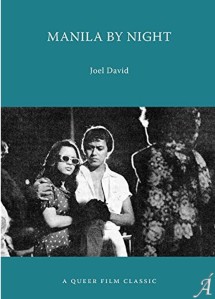
Bernal, Ishmael: Pagdating sa Dulo, 1971; Lumapit … Lumayo ang Umaga, 1975; Ligaw na Bulaklak, 1976; Nunal sa Tubig, 1976; Nonoy Marcelo’s Tisoy!, 1977; Ikaw Ay Akin, 1978; Salawahan, 1979; Aliw, 1979; Manila by Night, 1980; Pabling, 1981; 1) Relasyon, 1982 & 2) Broken Marriage, 1983; Working Girls, 1984; Hinugot sa Langit, 1985.

Bernal, Joyce: Masikip sa Dibdib: The Boobita Rose Story [as Binibining Joyce Bernal], 2004; Kimmy Dora: Kambal sa Kiyeme [as Binibining Joyce Bernal], 2009.

Borlaza, Emmanuel H.: Bituing Walang Ningning, 1985.

Brocka, Lino: Tubog sa Ginto, 1970; Stardoom, 1971; Tinimbang Ka Ngunit Kulang, 1974; Maynila: Sa mga Kuko ng Liwanag, 1975; Insiang, 1976; Jaguar, 1979; Bona, 1980; Cain at Abel, 1982; 1) Bayan Ko: Kapit sa Patalim, 1984 & 2) Orapronobis, 1989; Miguelito: Batang Rebelde, 1985; Babangon Ako’t Dudurugin Kita, 1989; Hahamakin Lahat, 1990; Gumapang Ka sa Lusak, 1990.

Cabreira, Junn P.: Beloy Montemayor Jr.: Tirador ng Cebu, 1993.

Castillo, Celso Ad.: Asedillo, 1971; Daluyong at Habagat, 1976; Burlesk Queen, 1977; Celso Ad. Castillo’s Totoy Boogie, 1980; Uhaw na Dagat, 1981; Paradise Inn, 1985.

Castro, Jade: Zombadings 1: Patayin sa Shokot si Remington, 2011; LSS, 2019.

Cayado, Tony: Mga Ligaw na Bulaklak, 1957.

Chionglo, Mel: Playgirl, 1981; Sinner or Saint, 1984; 1) Nasaan Ka Nang Kailangan Kita, 1986 & 2) Paano Kung Wala Ka Na, 1987; Babaing Hampaslupa, 1988; Developing Stories: Lucia, 1992; 1) Sibak: Midnight Dancers, 1994 & 2) Burlesk King, 1999 & 3) Twilight Dancers, 2006; Iadya Mo Kami, 2016.

Chui Chung-San, Alan, & Yuen Bun: Mabangis na Lungsod, 1995.

Conde, Conrado: Talipandas, 1958.

Conde, Manuel: Genghis Khan [credited to Lou Salvador], 1950.

Back to top
Return to Canon Decampment contents

Dayao, Dodo: Midnight in a Perfect World, 2020.

Dayoc, Sheron R.: Halaw, 2010.

de Castro, Eduardo: Zamboanga: A Fanciful Tale of Moro Sea Gypsies, 1937.

de Guia, Eric – see Tahimik, Kidlat.

de Guzman, Susana C.: Lupang Pangako [incomplete], 1949.

dela Cruz, Abbo Q.: Hubad na Pangarap, 1987.

Dela Cruz, Emmanuel: Sarong Banggi, 2005.

de Leon, Gerardo: Sisa, 1951; Dyesebel, 1953; Pedro Penduko, 1954; Sanda Wong, 1955; Terror Is a Man, 1959; The Moises Padilla Story, 1961; El Filibusterismo, 1962; Women in Cages, 1971.

de Leon, Gerardo, & Abe Yutaka: Dawn of Freedom, 1944.

De Leon, Mike: Itim, 1976; Kakabakaba Ka Ba?, 1980; 1) Kisapmata, 1981 & 2) Batch ’81, 1982; Sister Stella L., 1984; Bilanggo sa Dilim, 1986; Bayaning 3rd World, 1999.

Deligero, Keith: Iskalawags, 2013; Lily, 2016; A Short History of a Few Bad Things, 2018.

de los Reyes, Maryo J.: Schoolgirls, 1982; Diosa, 1982; Bagets, 1984; Kaya Kong Abutin ang Langit, 1984; Anak ni Waray vs. Anak ni Biday, 1984; Dinampot Ka Lang sa Putik, 1988; Magnifico, 2003.

del Rosario, Joey: Kahit Pader Gigibain Ko, 1998.

Deramas, Wenn V.: Ang Tanging Ina, 2003.

Diaz, Lav: Hesus, Rebolusyunaryo, 2002; Florentina Hubaldo, CTE, 2012; Norte, Hangganan ng Kasaysayan, 2013.

Diaz-Abaya, Marilou: 1) Brutal, 1980 & 2) Moral, 1982; Karnal, 1983; Sensual, 1986; May Nagmamahal sa Iyo, 1996; Milagros, 1997.

Dulay, Zig Madamba: Bambanti, 2015.

Dulu, Dolly: The Boy Foretold by the Stars, 2020.

Espia, Hannah: Transit, 2013.

Esteban, Tata: Alapaap, 1984.

Estella, Ramon A.: Kembali Saorang, 1957; Samseng, 1959; Saudagar Minyak Urat, 1959; Pusaka Pontianak, 1965.

Back to top
Return to Canon Decampment contents

Fajardo, Lawrence: Amok, 2011; Posas, 2012; Imbisibol, 2015.

Fernandez, Gregorio: Kontrabando, 1950; Prinsipe Teñoso, 1954; 1) Higit sa Lahat, 1955 & 2) Luksang Tagumpay [incomplete], 1956; Hukom Roldan, 1957; Malvarosa, 1958.

Gallaga, Peque: Oro, Plata, Mata, 1982; Virgin Forest, 1985; Scorpio Nights, 1985.

Gallaga, Peque, & Lore Reyes: 1) Tiyanak, 1988 & 2) Aswang, 1992; Sonata, 2013.

Gallardo, Cesar: Geron Busabos: Ang Batang Quiapo, 1964.

Garces, Armando: Sino ang Maysala?, 1957.

Garcia, Eddie: Saan Nagtatago ang Pag-Ibig?, 1987.

Garcia-Molina, Cathy – see Garcia-Sampana, Cathy.

Garcia-Sampana, Cathy: One More Chance [as Cathy Garcia-Molina], 2007.

Gosiengfiao, Joey: La Paloma, 1974; Underage, 1980.

Guillen, Laurice: Kasal?, 1980; Salome, 1981; Init sa Magdamag, 1983; Kung Mahawi Man ang Ulap, 1984; Sumayaw Ka Salome, 1992; Dahil Mahal Kita: The Dolzura Cortez Story, 1993.

Ignacio, Louie: Area [as Luisito Lagdameo Ignacio], 2016.

Illenberger, Tara: Brutus, ang Paglalakbay, 2008; High Tide [as Tara Barrera Illenberger], 2017.

Intalan, Perci M.: Dementia, 2014.

Jadaone, Antoinette: That Thing Called Tadhana, 2014.

Jamora, Marie: Ang Nawawala, 2012.

Jarlego, Ike Jr.: Tigasin, 1999.

Jeturian, Jeffrey: Pila-Balde, 1999; Tuhog, 2001; 1) Bridal Shower, 2004 & 2) Minsan Pa, 2004; Kubrador, 2006; Ekstra, 2013.

Jover, Ralston: 1) Da Dog Show [as Ralston G. Jover], 2015 & 2) Hamog [as Ralston G. Jover], 2015; Rene Villanueva’s Hiblang Abo [as Ralston G. Jover], 2016; Bomba [as Ralston Gonzales Jover], 2017; Latay (Battered Husband) [as Ralston Gonzales Jover], 2019.

Kayko, Sixto – see Roño, Chito S.

Khavn: 1) Ang Pamilyang Kumakain ng Lupa, 2005 & 2) Ang Napakaigsing Buhay ng Alipato, 2016; Pusong Wazak: Isa Na Namang Kwento ng Pag-ibig sa Pagitan ng Kriminal at Puta, 2014; Desaparadiso: Corrido at Buhay na Pinagdaanan nang Tatlong Principeng Magcacapatid na Anac nang Haring Fernando at nang Reina Valeriana sa Cahariang Berbania, 2015; Balangiga: Howling Wilderness, 2017.

Kim Bong-han: The Golden Holiday, 2020.

Back to top
Return to Canon Decampment contents

Lamangan, Joel: Hubog, 2001; Burgos, 2013.

Lamasan, Olivia M.: Minsan, Minahal Kita, 2000; Milan, 2004.

Lana, Jun: Die Beautiful [as Jun Robles Lana], 2016.

Lao, Armando: Biyaheng Lupa, 2009.

Laxamana, Jason Paul: The Day After Valentine’s, 2018.

Lerner, Irving: Cry of Battle, 1963.

Mambo, Rico – see dela Cruz, Abbo Q.

Marcos, Pepe: Ang Tubusin Mo ng Dugo, 1988.

Mardoquio, Arnel: Ang Paglalakbay ng mga Bituin sa Gabing Madilim, 2012.

Marquez, Artemio: The Untold Story of Melanie Marquez, 1987; Sa Puso Ko Hahalik ang Mundo, 1988.

Martin, Raya: Independencia, 2009.

Martinez, Chris: Here Comes the Bride, 2010.

Matti, Erik: On the Job, 2013.

Meily, Mark: Crying Ladies, 2003.

Mendoza, Brillante: 1) Foster Child, 2007 & 2) Tirador, 2007; Serbis [as Brillante Ma. Mendoza], 2008; Lola [as Brillante Ma. Mendoza], 2009; Ma’ Rosa, 2016.

Milan, Willy, & Fernando Poe Jr. – see Poe, Fernando Jr., & Willy Milan.

Monteras, Treb II: Respeto, 2017.

Montgomery, George: Samar, 1962.

Natividad, Toto: Totoy Guwapo: Alyas Kanto Boy, 1992; Amang Capulong: Anak ng Tondo, Part II, 1992; Ka Hector, 1994; Wangbu, 1998; Notoryus, 1998; 1) Double Barrel (Sige! Iputok Mo.), 2017 & 2) Riding in Tandem, 2017.

Navoa, J. Erastheo: Totoy Buang: Mad Killer ng Maynila, 1992.

O’Hara, Mario: Tatlong Taóng Walang Diyos, 1976; 1) Condemned, 1984 & 2) Bulaklak sa City Jail, 1984; Bagong Hari, 1986; Pangarap ng Puso, 2000; Babae sa Breakwater, 2003.

Ongkeko-Marfil, Ellen: Boses, 2008; Indigo Child, 2016.

Back to top
Return to Canon Decampment contents

Palisoc, King: Tandem, 2015.

Paolo, Steve – see Esteban, Tata.

Pascual, William: Takaw Tukso, 1986.

Pasion, Francis Xavier: Jay, 2008.

Perez, Elwood: Silip, 1985; Bilangin ang Bituin sa Langit, 1989; Ang Totoong Buhay ni Pacita M., 1991; Otso, 2013.

Perez, Roman Jr.: Sol Searching, 2018.

Poe, Fernando Jr.: 1) Ang Panday [as Ronwaldo Reyes], 1980 & 2) Pagbabalik ng Panday [as Ronwaldo Reyes], 1981 & 3) Ang Panday: Ikatlong Yugto [as Ronwaldo Reyes], 1982 & 4) Ang Panday IV [as Ronwaldo Reyes], 1984; Ang Maestro [as Ronwaldo Reyes], 1981; Ang Dalubhasa [as Ronwaldo Reyes], 2000.

Poe, Fernando Jr., & Willy Milan: Kahit Butas ng Karayom … Papasukin Ko [as Ronwaldo Reyes & Wilfredo “Willy” Milan], 1995.

Poe, Fernando Jr., & Augusto Salvador: Eseng ng Tondo [as Ronwaldo Reyes], 1997.

Portes, Gil: Gabi Kung Sumikat ang Araw, 1983; ’Merika, 1984; Bukas … May Pangarap, 1984.

Posadas, Francis: Amanos: Patas ang Laban [as Francis “Jun” Posadas], 1997; ’Di Puwedeng Hindi Puwede! [as Francis “Jun” Posadas], 1999.

Raquiza, Jun: Krimen: Kayo ang Humatol, 1974.

Red, Jon: Still Lives, 1999.

Red, Mikhail: Birdshot, 2016.

Relucio, Brandon, & Ivan Zaldarriaga: Di Ingon ’Nato, 2011.

Reyes, Efren: Ang Daigdig Ko’y Ikaw, 1965.

Reyes, Jose Javier: Minsan May Isang Puso, 2001; Kung Ako Na Lang Sana, 2003.

Reyes, Lore – see Gallaga, Peque, & Lore Reyes.

Reyes, Ronwaldo – see Poe, Fernando Jr..

Richardson, George – see Suarez, Bobby A.

Rivera, Marlon N.: Ang Babae sa Septic Tank, 2011.

Romero, Eddie: The Passionate Strangers, 1966; Savage Sisters, 1974; Ganito Kami Noon … Paano Kayo Ngayon?, 1976; Banta ng Kahapon, 1977.

Roño, Chito S.: 1) Private Show [as Sixto Kayko], 1984 & 2) Curacha: Ang Babaeng Walang Pahinga, 1998; 1) Itanong Mo sa Buwan, 1988 & 2) La Vida Rosa, 2001; Bakit Kay Tagal ng Sandali?, 1990; Alyas Stella Magtanggol, 1992; Bata Bata Paano Ka Ginawa?, 1998; Caregiver, 2008; Signal Rock, 2018.

Back to top
Return to Canon Decampment contents

Salvador, Augusto: Masahol Pa sa Hayop, 1993.

Salvador, Augusto, & Fernando Poe Jr. – see Poe, Fernando Jr., & Augusto Salvador.

Salvador, Leroy: Badlis sa Kinabuhi, 1968; Beloved, 1985.

Salvador, Lou – see Conde, Manuel.

Santiago, Pablo: Amado Pagsanjan’s Asiong Salonga, 1961; 1) Pepeng Kaliwete, 1982 & 2) Annie Sabungera, 1982.

Santos, Teodorico C.: Taufan [as T.C. Santos], 1957.

Sayles, John: Amigo, 2010.

Siguion-Reyna, Carlos: 1) Hihintayin Kita sa Langit, 1991 & 2) Ikaw Pa Lang ang Minahal, 1992; Ang Lalake sa Buhay ni Selya, 1997; Tatlo … Magkasalo, 1998.

Silos, Manuel: Biyaya ng Lupa, 1959.

Solito, Auraeus: Ang Pagdadalaga ni Maximo Oliveros, 2005.

Somes, Richard V.: Yanggaw, 2008.

Suarez, Bobby A.: They Call Her … Cleopatra Wong [as George Richardson], 1978; Red Roses for a Call Girl, 1988.

Suzara, Romy V.: Pepeng Shotgun, 1981.

Tahimik, Kidlat: Mababangong Bangungot, 1977.

Tarog, Jerrold: Heneral Luna, 2015.

Topacio, Soxy: Ded Na si Lolo [as Soxie Hernandez Topacio], 2009.

Torres, Mar S.: Jack en Jill, 1954.

Vander Tolosa, Carlos: Giliw Ko, 1939.

Villaluna, Paolo: Pauwi Na, 2016.

Villamor, Irene: Meet Me in St. Gallen, 2018; Ulan, 2019; On Vodka, Beers, and Regrets, 2020.

Villegas, Dan: Hintayan ng Langit, 2018.

Zaldarriaga, Ivan – see Relucio, Brandon, & Ivan Zaldarriaga.

Zapata, Dominic: Boy Pick-Up: The Movie, 1982.

Zialcita, Danny L.: T-Bird at Ako, 1982; Palabra de Honor, 1983.

Zuasola, Remton Siega: Ang Damgo ni Eleuteria, 2010.

Back to top
Return to Canon Decampment contents

Á!