Desktop mode is strongly recommended.
This link will open the PDF version.
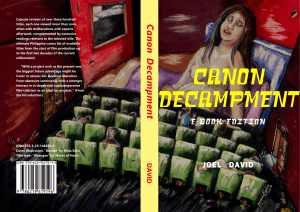
The book’s landing page has been retitled
“Chronological Listing according to Auteur.”
Titles (350 in total, from 144 directorial entries), if numbered and linked by brown ampersands (“&”), are sufficiently related and thereby share the same singular review after their respective descriptions and synopses.
Click on any of the following to navigate more quickly through the list: B; C; D; E; F; G; H; I; J; K; L; M; N; O; P; Q; R; S; T; V; Y; Z.
A
Abaya, Matthew: Vampariah, 2016.
Abe Yutaka – see de Leon, Gerardo, & Abe Yutaka.
Abrahan, Giancarlo: Dagitab, 2014; Sila-Sila, 2019.
Acedillo, Vic Jr.: Ang Nerseri, 2009.
Aguiluz, Tikoy: Boatman, 1985; Segurista, 1996; Biyaheng Langit, 2000.
Alix, Adolfo Jr.: Tambolista [as Adolfo Borinaga Alix Jr.], 2007; Imoral [as Adolfo B. Alix Jr.], 2008; Isda, 2011; Porno [as Adolfo Borinaga Alix Jr.], 2013; Madilim ang Gabi [as Adolfo Borinaga Alix Jr.], 2017.
Altarejos, Joselito: Ang Lihim ni Antonio, 2008; Unfriend [as J Altarejos], 2014; Jino to Mari, 2019.
Aunor, Nora: Greatest Performance [as Guy; unfinished], 1989.
Avellana, Lamberto V.: Anak Dalita, 1956; Sarjan Hassan, 1958; Nick Joaquin’s A Portrait of the Artist as Filipino, 1965; The Evil Within, 1970.
Back to top
Go to Canon Decampment landing page
B
Barbarona, Arnel: Tu Pug Imatuy, 2017.
Bayani, Ruel S.: No Other Woman [as Ruel Santos Bayani], 2011.
Bernal, Ishmael: Pagdating sa Dulo, 1971; Lumapit … Lumayo ang Umaga, 1975; Ligaw na Bulaklak, 1976; Nunal sa Tubig, 1976; Nonoy Marcelo’s Tisoy!, 1977; Ikaw Ay Akin, 1978; Salawahan, 1979; Aliw, 1979; Manila by Night, 1980; Pabling, 1981; 1) Relasyon, 1982 & 2) Broken Marriage, 1983; Himala, 1982; Working Girls, 1984; Hinugot sa Langit, 1985.
Bernal, Joyce: Tunay na Tunay: Gets Mo? Gets Ko! [as Bb. Joyce Bernal], 2000; 1) Booba [as Binibining Joyce Bernal], 2001 & 2) Masikip sa Dibdib: The Boobita Rose Story [as Binibining Joyce Bernal], 2004; Kimmy Dora: Kambal sa Kiyeme [as Binibining Joyce Bernal], 2009.
Bernardo, Sigrid Andrea: Ang Huling Cha-Cha ni Anita (Anita’s Last Cha-Cha) [as Sigrid Andrea P. Bernardo], 2013; Lorna [as Sigrid Andrea P. Bernardo], 2014; UnTrue [as Sigrid Andrea P. Bernardo], 2019.
Boborol, Theodore: Vince & Kath & James, 2016.
Borlaza, Emmanuel H.: 1) Bukas Luluhod ang mga Tala, 1984 & 2) Bituing Walang Ningning, 1985; Stolen Moments, 1987.
Brocka, Lino: Tubog sa Ginto, 1970; Stardoom, 1971; Tinimbang Ka Ngunit Kulang, 1974; Maynila: Sa mga Kuko ng Liwanag, 1975; Insiang, 1976; Jaguar, 1979; Bona, 1980; Cain at Abel, 1982; 1) Bayan Ko: Kapit sa Patalim, 1984 & 2) Orapronobis, 1989; Miguelito: Batang Rebelde, 1985; Babangon Ako’t Dudurugin Kita, 1989; Hahamakin Lahat, 1990; Gumapang Ka sa Lusak, 1990.
Back to top
Go to Canon Decampment landing page
C
Cabreira, Junn P.: Beloy Montemayor Jr.: Tirador ng Cebu, 1993.
Castillo, Celso Ad.: Asedillo, 1971; Daluyong at Habagat, 1976; Burlesk Queen, 1977; Celso Ad. Castillo’s Totoy Boogie, 1980; Uhaw na Dagat, 1981; Paradise Inn, 1985.
Castro, Jade: Zombadings 1: Patayin sa Shokot si Remington, 2011; LSS, 2019.
Cayado, Tony: Mga Ligaw na Bulaklak, 1957.
Chionglo, Mel: Playgirl, 1981; Sinner or Saint, 1984; 1) Nasaan Ka Nang Kailangan Kita, 1986 & 2) Paano Kung Wala Ka Na, 1987; Babaing Hampaslupa, 1988; Developing Stories: Lucia, 1992; 1) Sibak: Midnight Dancers, 1994 & 2) Burlesk King, 1999 & 3) Twilight Dancers, 2006; Lauriana, 2013; Iadya Mo Kami, 2016.
Chui Chung-San, Alan, & Yuen Bun: Mabangis na Lungsod, 1995.
Conde, Conrado: Talipandas, 1958.
Conde, Manuel: Genghis Khan [credited to Lou Salvador], 1950.
Cruz-Alviar, Mae: Babe, I Love You [as Mae Czarina Cruz], 2010; Bride for Rent [as Mae Czarina Cruz], 2014.
Cruz, Prime: Ang Manananggal sa Unit 23B, 2016.
Back to top
Go to Canon Decampment landing page
D
Dayao, Dodo: Midnight in a Perfect World, 2020.
Dayoc, Sheron R.: Halaw, 2010.
de Castro, Eduardo: Zamboanga: A Fanciful Tale of Moro Sea Gypsies, 1937.
de Guia, Eric – see Tahimik, Kidlat.
de Guzman, Susana C.: Lupang Pangako [incomplete], 1949.
dela Cruz, Abbo Q.: Hubad na Pangarap, 1987.
Dela Cruz, Emmanuel: Sarong Banggi, 2005.
de Leon, Gerardo: Sisa, 1951; Dyesebel, 1953; Pedro Penduko, 1954; Sanda Wong, 1955; Terror Is a Man [as Gerry de Leon], 1959; The Moises Padilla Story, 1961; El Filibusterismo, 1962; Women in Cages [as Gerry de Leon], 1971.
de Leon, Gerardo, & Abe Yutaka: Dawn of Freedom, 1944.
De Leon, Mike: Itim, 1976; Kakabakaba Ka Ba?, 1980; 1) Kisapmata, 1981 & 2) Batch ’81, 1982; Sister Stella L., 1984; Bilanggo sa Dilim, 1986; Bayaning 3rd World, 1999.
Deligero, Keith: Iskalawags, 2013; Lily, 2016; A Short History of a Few Bad Things, 2018.
de los Reyes, Maryo J.: Schoolgirls, 1982; Diosa, 1982; Bagets, 1984; Kaya Kong Abutin ang Langit, 1984; Anak ni Waray vs. Anak ni Biday, 1984; Dinampot Ka Lang sa Putik, 1991; Magnifico, 2003.
del Rosario, Joey: Kahit Pader Gigibain Ko, 1998.
Deramas, Wenn V.: Ang Tanging Ina, 2003; Moron 5 and the Crying Lady, 2012.
Diaz, Lav: Hesus, Rebolusyunaryo, 2002; Florentina Hubaldo, CTE, 2012; Norte, Hangganan ng Kasaysayan, 2013.
Diaz-Abaya, Marilou: 1) Brutal, 1980 & 2) Moral, 1982; Karnal, 1983; Sensual, 1986; May Nagmamahal sa Iyo, 1996; Milagros, 1997.
Dulay, Zig Madamba: Bambanti, 2015.
Dulu, Dolly: The Boy Foretold by the Stars, 2020.
Back to top
Go to Canon Decampment landing page
E
Espia, Hannah: Transit, 2013.
Esteban, Tata: Alapaap, 1984; Gayuma: Sana’y Mahalin Mo Rin Ako, 1995.
Estella, Ramon A.: Kembali Saorang, 1957; Samseng, 1959; Saudagar Minyak Urat, 1959; Pusaka Pontianak, 1965.
Back to top
Go to Canon Decampment landing page
F
Fajardo, Lawrence: Amok, 2011; Posas, 2012; The Strangers, 2012; Imbisibol, 2015.
Fernandez, Gregorio: Kontrabando, 1950; Prinsipe Teñoso, 1954; 1) Higit sa Lahat [as Dr. Gregorio Fernandez], 1955 & 2) Luksang Tagumpay [incomplete], 1956; Hukom Roldan [as Dr. Gregorio Fernandez], 1957; Malvarosa [as Dr. Gregorio Fernandez], 1958.
Fiola, Bagane: Baboy Halas: Wailings in the Forest, 2016.
Back to top
Go to Canon Decampment landing page
G
Gallaga, Peque: Oro, Plata, Mata, 1982; Virgin Forest, 1985; Scorpio Nights, 1985; Pinoy/Blonde, 2005.
Gallaga, Peque, & Lore Reyes: 1) Tiyanak [as Lorenzo A. Reyes], 1988 & 2) Aswang, 1992; Sonata, 2013.
Gallardo, Cesar: Geron Busabos: Ang Batang Quiapo, 1964.
Garces, Armando: Sino ang Maysala?, 1957.
Garcia, Eddie: Saan Nagtatago ang Pag-ibig?, 1987.
Garcia-Molina, Cathy – see Garcia-Sampana, Cathy.
Garcia-Sampana, Cathy: One More Chance [as Cathy Garcia-Molina], 2007.
Gibraltar, Ray: Wanted: Border [as Ray Defante Gibraltar], 2009.
Gosiengfiao, Joey: La Paloma, 1974; Underage, 1980.
Guillen, Laurice: Kasal?, 1980; Salome, 1981; Init sa Magdamag, 1983; Kung Mahawi Man ang Ulap, 1984; Sumayaw Ka Salome, 1992; Dahil Mahal Kita: The Dolzura Cortez Story, 1993.
Back to top
Go to Canon Decampment landing page
H
Habac, JP: I’m Drunk, I Love You., 2017.
Back to top
Go to Canon Decampment landing page
I
Ignacio, Louie: Area [as Luisito Lagdameo Ignacio], 2016.
Ilarde, Rico Maria: Sa Ilalim ng Cogon, 2005; Altar, 2007.
Illenberger, Tara: Brutus, ang Paglalakbay, 2008; High Tide [as Tara Barrera Illenberger], 2017.
Intalan, Perci M.: Dementia, 2014.
Back to top
Go to Canon Decampment landing page
J
Jadaone, Antoinette: Six Degrees of Separation from Lilia Cuntapay, 2011; That Thing Called Tadhana, 2014; Fan Girl, 2020.
Jamora, Marie: Ang Nawawala, 2012.
Jarlego, Ike Jr.: Tigasin, 1999.
Jeturian, Jeffrey: Pila-Balde, 1999; Tuhog, 2001; 1) Bridal Shower, 2004 & 2) Minsan Pa, 2004; Kubrador, 2006; Ekstra, 2013.
Jover, Ralston: 1) Da Dog Show [as Ralston G. Jover], 2015 & 2) Hamog [as Ralston G. Jover], 2015; Rene Villanueva’s Hiblang Abo [as Ralston G. Jover], 2016; Bomba [as Ralston Gonzales Jover], 2017; Latay (Battered Husband) [as Ralston Gonzales Jover], 2019.
Back to top
Go to Canon Decampment landing page
K
Kayko, Sixto – see Roño, Chito S.
Khavn: 1) Ang Pamilyang Kumakain ng Lupa, 2005 & 2) Ang Napakaigsing Buhay ng Alipato, 2016; Pusong Wazak: Isa Na Namang Kwento ng Pag-ibig sa Pagitan ng Kriminal at Puta, 2012; Desaparadiso: Corrido at Buhay na Pinagdaanan nang Tatlong Principeng Magcacapatid na Anac nang Haring Fernando at nang Reina Valeriana sa Cahariang Berbania, 2015; Balangiga: Howling Wilderness, 2017.
Kim Bong-han: The Golden Holiday, 2020.
Back to top
Go to Canon Decampment landing page
L
Lamangan, Joel: Hubog [as Joel C. Lamangan], 2001; Walang Kawala [as Joel C. Lamangan], 2008; Burgos, 2013.
Lamasan, Olivia M.: Minsan, Minahal Kita, 2000; Milan, 2004.
Lana, Jun Robles: Die Beautiful, 2016.
Lao, Armando: Biyaheng Lupa, 2009.
Laranas, Yam: 1) Radyo, 2001 & 2) Sigaw, 2004; 1) Abomination, 2018 & 2) Nightshift, 2020.
Laxamana, Jason Paul: The Day After Valentine’s, 2018.
Lerner, Irving: Cry of Battle, 1963.
Linaban, Christian: Aberya, 2012; Superpsychocebu, 2016.
Lopez, Pedring: Nilalang, 2015.
Lorca, Lemuel: Water Lemon, 2015.
Back to top
Go to Canon Decampment landing page
M
Mambo, Rico – see dela Cruz, Abbo Q.
Marcos, Pepe: Tubusin Mo ng Dugo, 1988.
Mardoquio, Arnel: Ang Paglalakbay ng mga Bituin sa Gabing Madilim, 2012; Ang mga Tigmo sa Akong Pagpauli (Riddles of My Homecoming), 2013.
Marquez, Artemio: The Untold Story of Melanie Marquez, 1987; Sa Puso Ko Hahalik ang Mundo, 1988.
Martin, Raya: Independencia, 2009; How to Disappear Completely, 2013.
Martinez, Chris: Here Comes the Bride, 2010.
Matti, Erik: On the Job, 2013.
Meily, Mark: Crying Ladies, 2003.
Mendoza, Brillante: 1) Foster Child, 2007 & 2) Tirador, 2007; Serbis [as Brillante Ma. Mendoza], 2008; Lola [as Brillante Ma. Mendoza], 2009; Ma’ Rosa, 2016.
Miike Takashi: The Guys from Paradise, 2000.
Milan, Willy – see Poe, Fernando Jr., & Willy Milan.
Miras, Pam: Pascalina, 2012; Medusae, 2017.
Montano, Cesar: Ligalig, 2006.
Monteras, Treb II: Respeto, 2017.
Montgomery, George: Samar, 1962.
Back to top
Go to Canon Decampment landing page
N
Natividad, Toto: Totoy Guwapo: Alyas Kanto Boy, 1992; Amang Capulong: Anak ng Tondo, Part II, 1992; Ka Hector, 1994; Wangbu, 1998; Notoryus, 1998; 1) Double Barrel (Sige! Iputok Mo.) [as Toto Natividad Jr.], 2017 & 2) Riding in Tandem, 2017.
Navoa, J. Erastheo: Totoy Buang: Mad Killer ng Maynila, 1992.
Back to top
Go to Canon Decampment landing page
O
O’Hara, Mario: Tatlong Taóng Walang Diyos, 1976; 1) Condemned, 1984 & 2) Bulaklak sa City Jail, 1984; Bagong Hari, 1986; Sindak!, 1999; Pangarap ng Puso, 2000; Babae sa Breakwater, 2003.
Ongkeko-Marfil, Ellen: Boses, 2008; Indigo Child, 2016.
Back to top
Go to Canon Decampment landing page
P
Palisoc, King: Tandem, 2015.
Paolo, Steve – see Esteban, Tata.
Parungao, Monti: 1) Bayaw [as Monti Puno Parungao], 2009; & 2) The Escort [as Monti Puno Parungao], 2011.
Pascual, William: Takaw Tukso, 1986.
Pasion, Francis Xavier: Jay, 2008.
Perez, Elwood: Silip, 1985; Bilangin ang Bituin sa Langit, 1989; Ang Totoong Buhay ni Pacita M., 1991; Otso, 2013.
Perez, Roman Jr.: Sol Searching, 2018.
Poe, Fernando Jr.: 1) Ang Panday [as Ronwaldo Reyes], 1980 & 2) Pagbabalik ng Panday [as Ronwaldo Reyes], 1981 & 3) Ang Panday: Ikatlong Yugto [as Ronwaldo Reyes], 1982 & 4) Ang Panday IV [as Ronwaldo Reyes], 1984; Ang Maestro [as Ronwaldo Reyes], 1981; Ang Dalubhasa [as Ronwaldo Reyes], 2000.
Poe, Fernando Jr., & Willy Milan: Kahit Butas ng Karayom … Papasukin Ko [as Ronwaldo Reyes & Wilfredo “Willy” Milan], 1995.
Poe, Fernando Jr., & Augusto Salvador: Eseng ng Tondo [as Ronwaldo Reyes], 1997.
Portes, Gil: Gabi Kung Sumikat ang Araw [as Gil M. Portes], 1983; ’Merika [as Gil M. Portes], 1984; Bukas … May Pangarap [as Gil M. Portes], 1984.
Posadas, Francis: Amanos: Patas ang Laban [as Francis “Jun” Posadas], 1997; ’Di Puwedeng Hindi Puwede! [as Francis “Jun” Posadas], 1999.
Back to top
Go to Canon Decampment landing page
Q
Quintos, Rory B.: Kailangan Kita, 2002.
Back to top
Go to Canon Decampment landing page
R
Raquiza, Jun: Krimen (Kayo ang Humatol), 1974.
Red, Jon: 1) Still Lives, 1999 & 2) Ang Pirata, 2013.
Red, Mikhail: 1) Birdshot, 2016 & 2) Neomanila, 2017.
Relucio, Brandon, & Ivan Zaldarriaga: Di Ingon ’Nato, 2011.
Reyes, Efren: Ang Daigdig Ko’y Ikaw, 1965.
Reyes, Jose Javier: May Minamahal, 1993; Minsan May Isang Puso, 2001; Kung Ako Na Lang Sana, 2003.
Reyes, Lore – see Gallaga, Peque, & Lore Reyes.
Reyes, Ronwaldo – see Poe, Fernando Jr.
Richardson, George – see Suarez, Bobby A.
Rivera, Marlon N.: Ang Babae sa Septic Tank, 2011.
Romero, Eddie: The Passionate Strangers, 1966; Savage Sisters, 1974; Ganito Kami Noon … Paano Kayo Ngayon?, 1976; Banta ng Kahapon, 1977.
Roño, Chito S.: 1) Private Show [as Sixto Kayko], 1984 & 2) Curacha: Ang Babaeng Walang Pahinga, 1998; 1) Itanong Mo sa Buwan, 1988 & 2) La Vida Rosa, 2001; Bakit Kay Tagal ng Sandali?, 1990; Alyas Stella Magtanggol, 1992; Bata Bata Paano Ka Ginawa?, 1998; Caregiver, 2008; Boy Golden: Shoot to Kill, 2013; Signal Rock, 2018.
Roy, Eduardo W. Jr.: Lola Igna, 2019.
Back to top
Go to Canon Decampment landing page
S
Salvador, Augusto: Ikasa Mo … Ipuputok Ko, 1990; Masahol Pa sa Hayop, 1993.
Salvador, Augusto – see also Poe, Fernando Jr., & Augusto Salvador.
Salvador, Leroy: Badlis sa Kinabuhi, 1968; Beloved, 1985.
Salvador, Lou – see Conde, Manuel.
Sanchez, Sherad Anthony: Huling Balyan ng Buhi o ang Sinalirap nga Asoy Nila, 2006; Jungle Love, 2012.
Santiago, Pablo: Amado Pagsanjan’s Asiong Salonga, 1961; 1) Pepeng Kaliwete, 1982 & 2) Annie Sabungera, 1982.
Santos, Teodorico C.: Taufan [as T.C. Santos], 1957.
Sayles, John: Amigo, 2010.
Siguion-Reyna, Carlos: 1) Hihintayin Kita sa Langit, 1991 & 2) Ikaw Pa Lang ang Minahal, 1992; Ang Lalake sa Buhay ni Selya, 1997; Tatlo … Magkasalo, 1998.
Silos, Manuel: Biyaya ng Lupa, 1959.
Solito, Auraeus: Ang Pagdadalaga ni Maximo Oliveros, 2005.
Somes, Richard: Yanggaw [as Richard V. Somes], 2008; Mariposa: Sa Hawla ng Gabi [as Richard V. Somes], 2012.
Suarez, Bobby A.: They Call Her … Cleopatra Wong [as George Richardson], 1978; Red Roses for a Call Girl, 1988.
Suzara, Romy: Pepeng Shotgun, 1981; Tinik, 2013.
Back to top
Go to Canon Decampment landing page
T
Tahimik, Kidlat: Mababangong Bangungot, 1977.
Tarog, Jerrold: Heneral Luna, 2015.
Tiglao, J.E.: Metamorphosis [as Jose Enrique Tiglao], 2019.
Topacio, Soxy: Ded Na si Lolo [as Soxie Hernandez Topacio], 2009.
Torres, Mar S.: Jack en Jill, 1954.
Back to top
Go to Canon Decampment landing page
V
Vander Tolosa, Carlos: Giliw Ko, 1939.
Velasco, Veronica: Nuuk [as Veronica B. Velasco], 2019.
Villaluna, Paolo: Pauwi Na, 2016.
Villamor, Irene: Meet Me in St. Gallen, 2018; Ulan, 2019; On Vodka, Beers, and Regrets, 2020.
Villegas, Dan: 1) #WalangForever, 2015 & 2) How to Be Yours, 2016; Hintayan ng Langit, 2018.
Vinarao, Edgardo: Tatak ng Kriminal [as Edgardo “Boy” Vinarao], 1993.
Back to top
Go to Canon Decampment landing page
Y
Yuen Bun – see Chui Chung-San, Alan, & Yuen Bun.
Back to top
Go to Canon Decampment landing page
Z
Zaldarriaga, Ivan – see Relucio, Brandon, & Ivan Zaldarriaga.
Zapata, Dominic: Boy Pick-Up: The Movie, 2012.
Zialcita, Danny L.: Masquerade [as DLZ], 1967; T-Bird at Ako, 1982; Palabra de Honor, 1983.
Zuasola, Remton Siega: Ang Damgo ni Eleuteria, 2010.
Back to top
Go to Canon Decampment landing page
Á!














 ORCID ID


Corrosive Criticism
Last month’s just-concluded Cinemalaya Philippine Independent Film Festival, the first after a full year of the presidency of Ferdinand Marcos Jr., yielded a few controversies, the latest of which was centered on the pullout of a politically themed film from the opening ceremony – allegedly because it was censored (per political sectors), or possibly because seven hours was too long to wait out a ceremonial entry (per festival organizers). This would not be surprising, considering that the pre-ousted Marcos family was known to be the most culturally obsessed among Philippine presidential administrations; although truth be told, at the peak of the Marcos Sr. presidency, any politically (and even sexually) daring movie would have been shown at the government’s Manila Film Center venue without anyone bothering to bat a false eyelash.
11011Prior to the current uproar, a commotion over a social-network film reviewer boiled over and took much longer to simmer down. In fact the said reviewer had already been writing for over a year, but the only filmmakers who objected were the ones working for a streaming outlet specializing in sex-themed material. (Personal disclosure: I acceded to several friends’ request to criticize the reviewer and uploaded an article to my blog, my first this year, for that purpose; see “Anonymity & Its Discontents.”) This for me remains the key to the trouble that the festival had with this specific evaluator. The participants – artists, readers, even the reviewer himself – operated from not just an outmoded but also a long-unworkable set of assumptions. No wonder no resolution could be worked out.
11011The premise I’m referring to is the one on which the entire concept of Cinemalaya rests: that of identifying and subsidizing a vanguard of “best” emerging film artists. The necessarily politicized process this generates can be tracked to a well-intended system of adequate training – way back when no such option was available in the country; so even from the start, only aspirants who were sufficiently privileged because of class and/or nationality could actually achieve the necessary qualifications. Meaning it was never sufficient to just be talented and motivated; some form of social entitlement (wealth, foreign training, industry contacts) would more often than not prove more effective. To better articulate the criteria and identify those who best exemplified the worthiness of outstanding aspirants, elite institutions – government and education, conveniently overlapping in the national university – volunteered to make their presence palpable.
Back to top
11011What this led to was a clutch of spectacles by which film commentary would be nearly exclusively identified: annual exercises, in the form of festivals, that showcase entries preselected by supposedly discriminating evaluators, plus sets of prizes either for this closed system or for the entire industry, nearly all of which enact a dramatic process that can still occasionally prove captivating and suspenseful. Said process begins when a group of “deserving” talents would be announced, from which a circle of self-proclaimed authorities would eventually declare (during “normal” conditions) one winner. One can see how entrenched this mentality is when several sets of academe-based groups continue to follow this annual ritual despite supposedly being more alert to its deleterious effects, starting with fostering divisiveness in the community of artists.
11011Hence the fascinating particulars of the Cinemalaya brouhaha, where the aforementioned Facebook reviewer provided rankings for the competition entries, culminating in an alternate set of awards. The complaints predictably came from filmmakers whose works were given low grades, with attendant unflattering commentary. What made this response dubious on its face is immediately evident: would they have voiced any objection if they were given higher evaluations? Earlier outed as singular and biologically male, the reviewer himself posted his rationale – that since film screenings are costly, he’s providing a service to the general public by assessing for them which entries he believes are worth watching and which ones should be shunned.[1]
11011A more sensible set of comments focused on the reviewer’s six-plus scoring system (from zero to five stars), which he had earlier expanded to include negative numbers. At some point, he wound up with a negative-infinity score for a movie he regarded as the worst, then realized that another movie was even worse and awarded it with a square root of negative-infinity score. This attempt to display mathematical competence is innumerate to anyone with a casual familiarity with basic principles in the field.[2] The actual issues, which everyone missed out on, is also what the entire existing system of film evaluation fails to do. First, determining film worth according to quantifiable standards of art, or relevance, or morality, no longer really matters as much as figuring out the issues that generated the work and how its audience responded to it. Hence the reviewer’s attempt at further refining his criteria (the equivalent of the award-givers’ categories) is a step forward … in the wrong direction.
Back to top
11011Second, which was the topic I’d posted about earlier, by presuming to write about practitioners who have no option except to announce their identities, the reviewer will have no ethical justification for insisting on his anonymity. Is the country under a system of colonization or fascism, when underground literature historically became indispensable? Or are the film practitioners capable of criminally endangering those who criticize them? These are only rhetorical questions, of course. The non-rhetorical one is: why is the community of publicists protecting this reviewer’s identity, and why are the complaining artists not seeing anything anomalous about this? The scary answer is – because they all agree that film evaluation can only be expressed one way, by ranking one another, and the more difficult scientific and cultural work doesn’t have to get done. The ultimate winner here is none other than our reviewer-ranker, the one who (in a better world) deserves to be positioned at the bottom of the heap, representing the award-giving critics who can laze around and write unthinkingly and assert their power over industry practitioners when the season for holding their trophies aloft arrives once more.
Notes
First published August 31, 2023, as “Film Critico Incognito” in The FilAm. The specified social-network critic took down all the posts referenced in this article. I am maintaining the current piece as a cautionary example, since in this type of instance, a vacancy left by anyone who attained virality can be easily replaced by some other interested party.
[1] This ranking system was first propagated by a member of the Filipino Film Critics Circle in the 1970s-80s, so it makes sense that other members of this group will be tolerant, if not supportive, of this reviewer. Anyone sufficiently familiar with this system will readily see how cultural products of all types are notoriously irreducible to preordained criteria. The most artistically innovative ones, in fact, demand that their evaluators observe a new set of standards, while the most popularly successful ones demand an entirely different set of approaches premised on historical conditions.
11011In fact, the Cinemalaya outcry echoed an earlier quarrel, this time between the reviewer and Marcos-family hagiographer Darryl Yap. With an army of fanatical followers of his Vincentiments page, Yap was able to lodge enough complaints against the reviewer to get the latter’s page suspended on Facebook. He also posted a photograph of the reviewer’s masked face but desisted from identifying him by name (presumably easily accomplishable by referring to the guest list of any screening attended by the person he wanted to denounce). The reviewer, meanwhile, frantically uploaded material supportive of Bongbong Marcos’s then-already defeated adversary, Leni Robredo.
11011Other close observers have similarly pointed out how the reviewer exhibits biases favoring certain queer or Chinoy filmmakers; whatever the implications of these preferences, the reviewer’s insistence on shielding himself from further inspection places him in an unearned special category, elevated in his own mind and possibly those of other publicists, critics, artists, and his own set of social-network fanatics, all of whom seem to accept his anonymous stature as a right only he had earned one way or another. More disturbingly, in terms of pandering to their respective admirers, Yap conducts himself with relatively more dignity and confidence, despite having to contend with more persistent trolls.
Back to top
[2]
The reviewer’s technical troubles begin with his ranking scheme: since he initially awarded anywhere from zero to five stars, he would write a specific score out of five (from 0/5 through 5/5). In overstepping these arithmetical specifications by providing negative points, his goal was obviously to demonstrate greater distance from the lowest possible value, which is 0/5 or zero. Negative-infinity, however, can be conceptually proved to be no different from infinity (which is why it is extremely rarely invoked in real-world applications, e.g. astronomy or nuclear physics), while the square root of a negative number would be an impossible value. But if we assume that a square root of a number can be taken before turning it negative, then because of the negative placement, the supposedly smaller value is actually larger: say our limit of infinity is 9 (and therefore -9 is negative-infinity); its square root is 3, which then makes -3 actually closer to zero and therefore higher than -9. So the intended lower value (square root of negative infinity) is demonstrably higher than the value that purportedly diminishes it (negative infinity).
11011More deplorable than this abstractional weakness is the reviewer’s moral failure in posting insulting or abusive comments against the films he regards as unworthy of his high scores. Not surprisingly, his followers find this behavior delightful, thus further inciting their pseudo-expert’s immature conduct. Yet again, the educational training of a school population encouraged (even by purportedly progressive educators) to regard pop-culture artifacts as deserving of dismissive treatment results in such lumpenbourgeois spectacles. Lost in this cheap grasping for maximum virality is the reality that any industrial undertaking in a developing country will always be under threat of collapse, with any number of breadwinners facing the possibility of resorting to more desperate forms of fund-raising as a result. In short, regardless of the ranking that any critic assigns to any completed film, the recuperation of its investment will mean, first and foremost, that its workers can continue to hope in the prospect of a follow-up project. From this perspective, any critic who aims to impede this drive for productivity deserves to be regarded as no better than an antiproletarian henchperson.
Back to top
Leave a comment | tags: Commentaries | posted in Philippine cinema